Surf City Homes for Sale in NC | Surf City Community Guide
Surf City is a coastal town on Topsail Island in southeastern North Carolina, spanning portions of Pender and Onslow counties. Located along the Atlantic Ocean and Intracoastal Waterway, Surf City offers a combination of oceanfront homes, traditional beach cottages, waterfront properties, condominiums, townhomes, and newer residential developments.
Surf City is one of three incorporated towns on Topsail Island, alongside Topsail Beach to the south and North Topsail Beach to the north. The town includes both barrier island properties and mainland residential areas, giving buyers a range of housing options with different levels of beach access, boating opportunities, and proximity to everyday services.
Unlike a traditional residential subdivision, Surf City is an incorporated coastal municipality containing multiple neighborhoods, condominium communities, and residential developments. Some properties are located directly on the Atlantic Ocean, while others overlook canals, marshes, or the Intracoastal Waterway. Mainland Surf City includes additional single-family neighborhoods and newer construction.
For buyers researching homes for sale in Surf City, NC, important considerations include flood zones, coastal insurance, property taxes, homeowners association fees, vacation rental regulations, public beach access, parking, and whether a property is located on the island or mainland.
Where Is Surf City Located?
Surf City is located along the central portion of Topsail Island, approximately 30 miles northeast of Wilmington, North Carolina.
The town spans portions of Pender County and Onslow County, although much of its residential and commercial activity is associated with the Pender County portion.
Surf City is accessible from the mainland by the Surf City Bridge, which connects the island to the NC Highway 210 and NC Highway 50 corridors.
The high-rise bridge replaced the former swing bridge and provides a direct connection between the island and mainland Surf City.
Approximate Driving Times from Surf City
Topsail Beach: 10–15 minutes
North Topsail Beach: 10–20 minutes
Holly Ridge: 15–25 minutes
Sneads Ferry: 20–30 minutes
Downtown Wilmington: 40–55 minutes
Wilmington International Airport: 40–55 minutes
Jacksonville: 35–50 minutes
Camp Lejeune: 30–45 minutes, depending on the gate and destination
Wrightsville Beach: 40–55 minutes
Driving times vary by starting location, traffic, seasonal congestion, and destination.
Island Versus Mainland Surf City
One of the most important distinctions for buyers is whether a property is located on Topsail Island or on the mainland.
Island properties generally offer closer proximity to the Atlantic Ocean, public beach access points, waterfront restaurants, and boating facilities.
Mainland Surf City includes residential subdivisions, newer construction, shopping centers, and neighborhoods with access to the island by bridge.
Some properties with Surf City mailing addresses may fall outside municipal limits or within different county jurisdictions.
Buyers should verify the property's actual jurisdiction, tax obligations, school assignments, and applicable regulations rather than relying solely on the mailing address.
Homes for Sale in Surf City, NC
Surf City offers a broad selection of coastal real estate, from established beach cottages to larger oceanfront residences and modern mainland homes.
Single-Family Homes
Detached single-family homes are available throughout Surf City.
Common property features include:
Two-, three-, four-, and five-bedroom floor plans
Elevated living areas on many island properties
Covered porches and balconies
Open-concept kitchens and living areas
Ground-level parking or garages
Storage areas for beach equipment
Metal or architectural shingle roofs
Ocean, marsh, canal, or Intracoastal Waterway views on select properties
Private swimming pools on some homes
Home characteristics vary considerably by construction year, location, and renovation history.
Traditional Surf City Beach Cottages
Surf City contains established beach cottages that reflect Topsail Island's history as a coastal vacation destination.
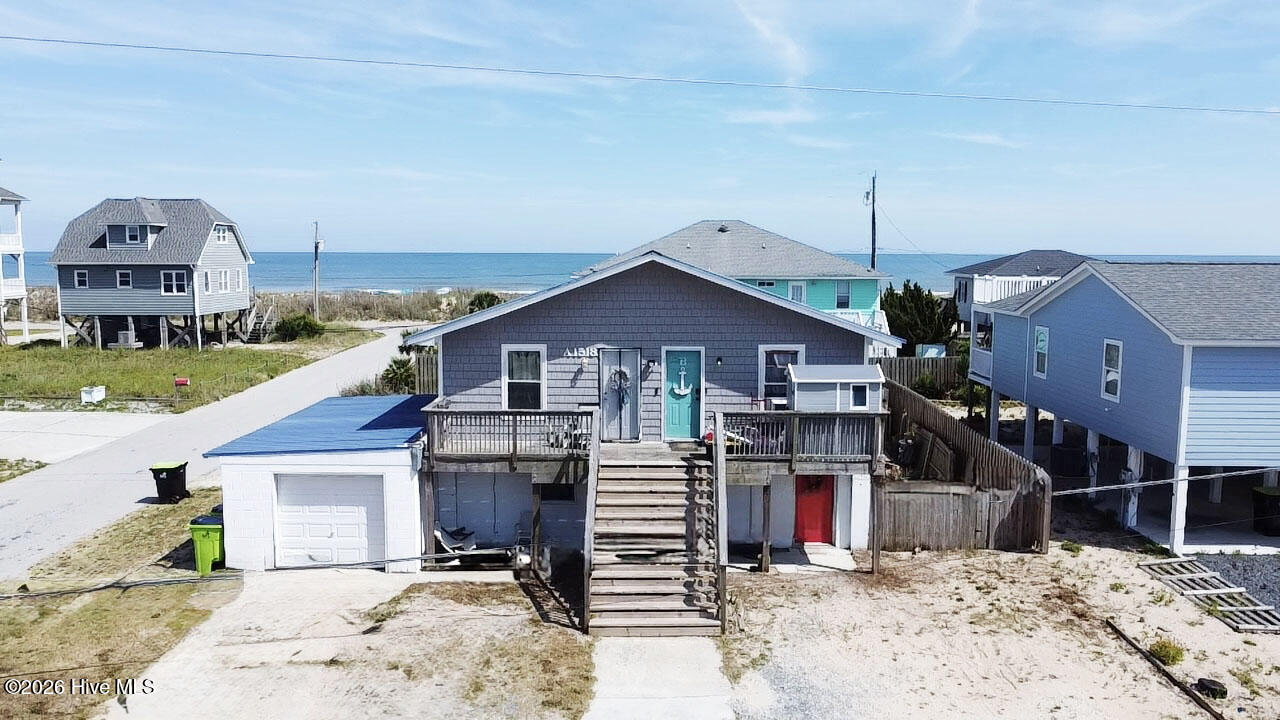
Older cottages may have compact floor plans, simple architectural designs, wood siding, and covered porches.
Some have undergone substantial renovations, while others retain more of their original construction.
Buyers considering older homes should evaluate foundation condition, roof age, windows, electrical and plumbing systems, moisture exposure, and previous storm-related repairs.
New Construction Homes in Surf City
New construction is available on both the island and mainland.
On Topsail Island, new homes are often built on remaining vacant parcels or properties where older structures have been removed.
On the mainland, residential developments may offer newer single-family homes and townhomes in planned neighborhoods.
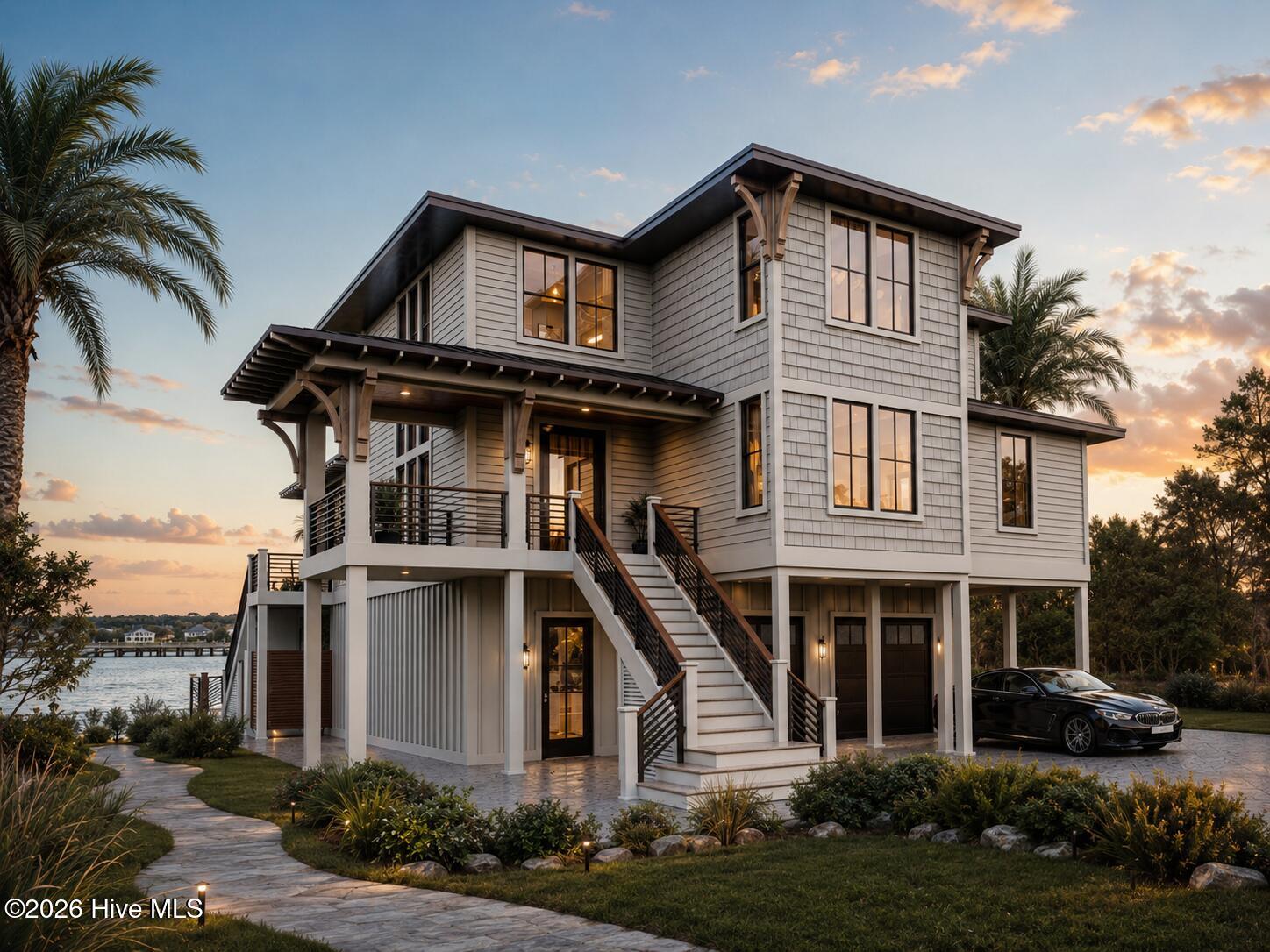
Newer coastal homes may include elevated foundations, modern kitchens, open floor plans, energy-efficient systems, and multiple outdoor living spaces.
Buyers should verify zoning, building setbacks, elevation requirements, and any applicable coastal development restrictions.
Home Sizes and Lot Sizes
Surf City includes smaller cottages, mid-sized residences, large multi-level beach houses, and newer mainland homes.
Many detached homes fall broadly within approximately 1,200 to 3,000 square feet, although properties outside that range are available.
Island residential lots are often more compact than lots in certain mainland subdivisions.
Lot dimensions and buildable areas vary significantly, especially near the ocean, canals, marshes, and other environmentally sensitive areas.
Buyers should review property surveys, easements, setbacks, and zoning before planning additions or improvements.
Oceanfront Homes in Surf City
Oceanfront properties are located along the Atlantic-facing side of Topsail Island, including portions of North Shore Drive and South Shore Drive.
These properties offer direct proximity to the beach and may provide expansive Atlantic Ocean views.
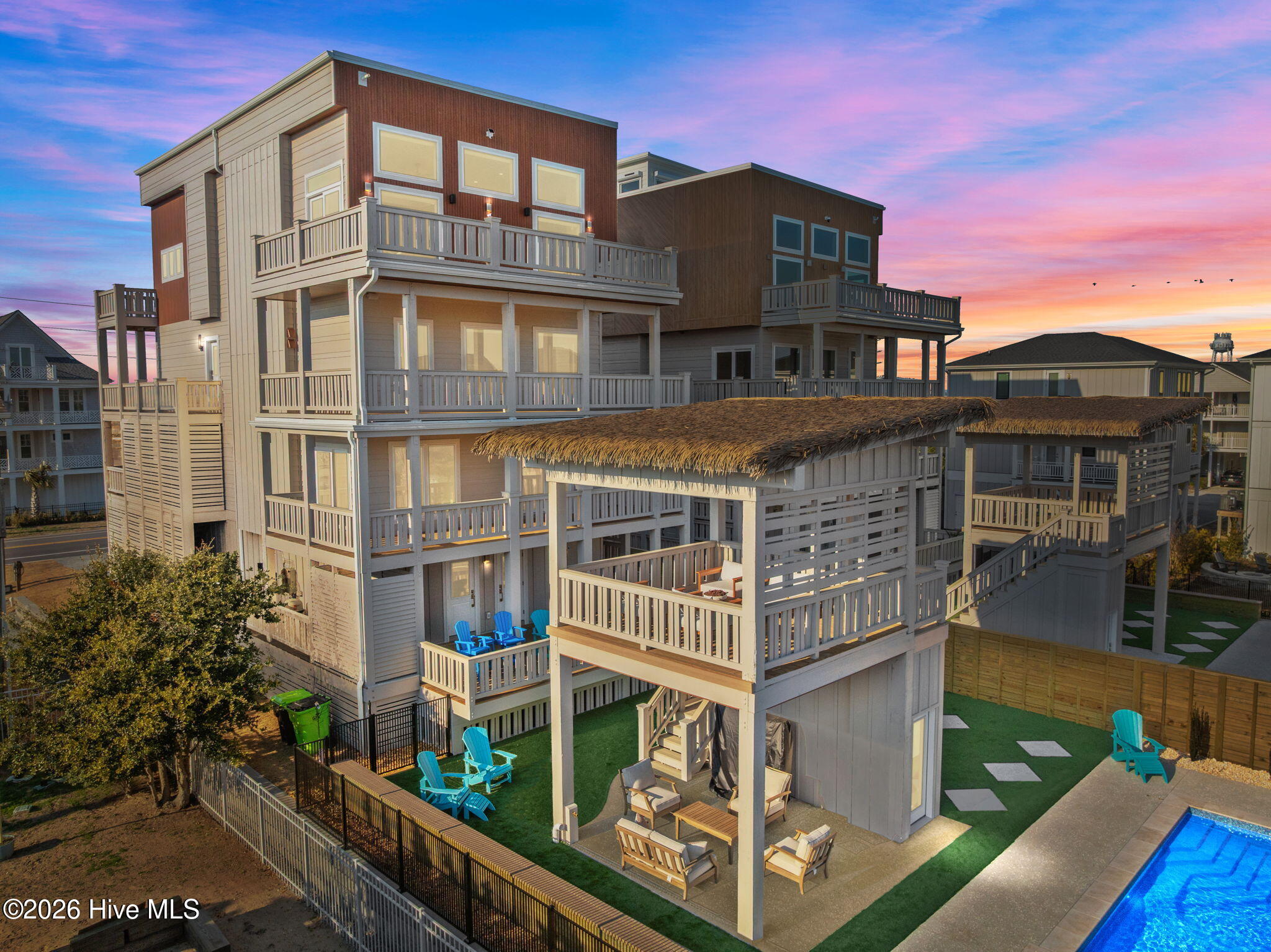
Housing options include detached beach houses, larger vacation residences, duplex-style properties, and condominium developments.
Oceanfront Home Features
Common features include elevated living areas, ocean-facing decks, large windows, covered porches, outdoor showers, and parking beneath the primary living level.
Some oceanfront properties include private beach walkways or access arrangements, subject to applicable coastal regulations.
Oceanfront Ownership Considerations
Buyers considering oceanfront homes should investigate:
FEMA flood zone designation
Beach nourishment projects
Storm-related maintenance
Vacation rental regulations
Oceanfront properties can have different maintenance expenses and insurance requirements from homes farther inland.
A property with an ocean view does not necessarily include private beach access or ownership of the adjoining dune area.
Intracoastal Waterway Homes in Surf City
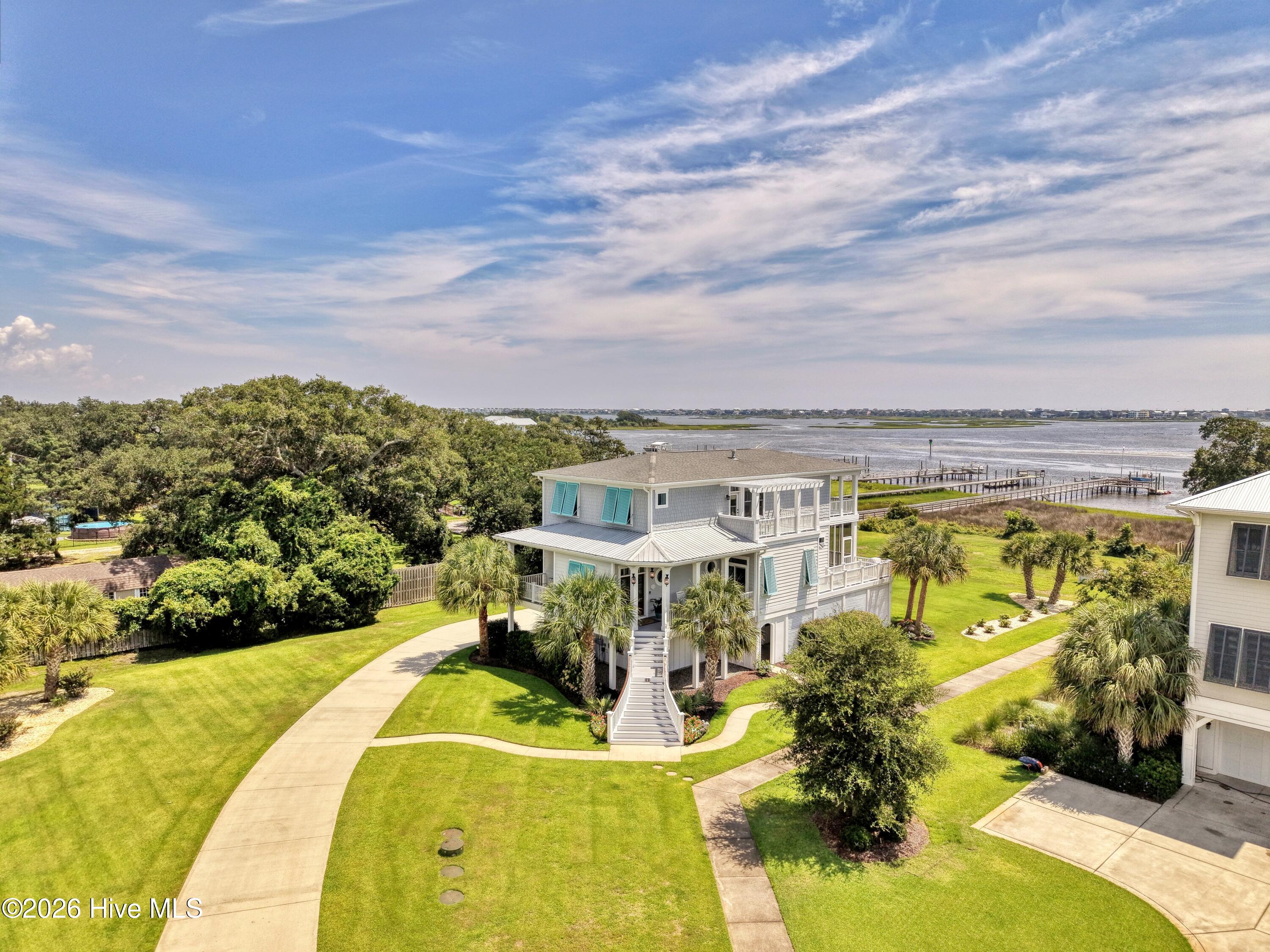
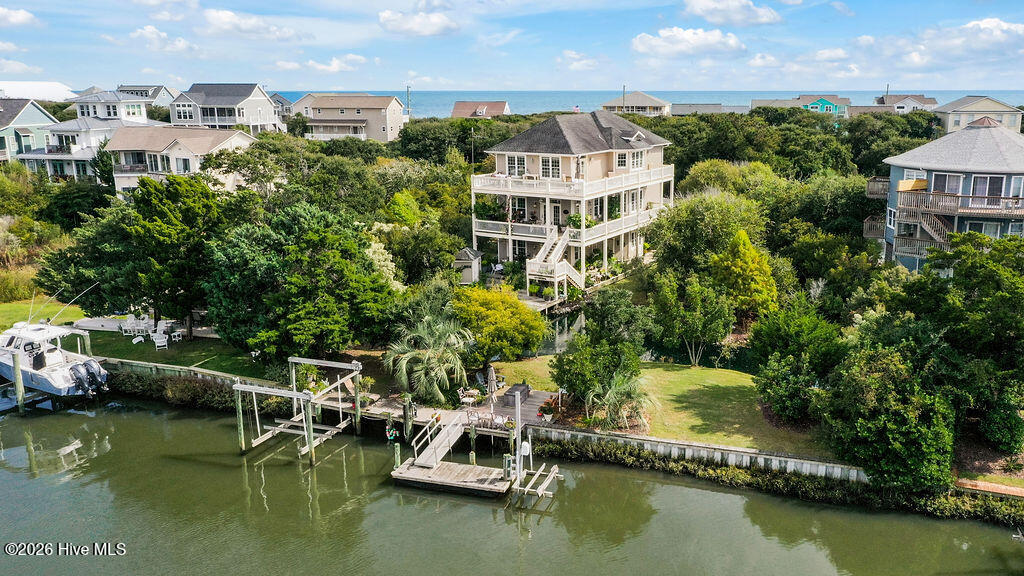
Surf City includes properties overlooking the Intracoastal Waterway, tidal creeks, and coastal marshes.
Some waterfront homes have private docks, boat lifts, or access to nearby marinas.
Other properties provide water views without direct boating access.
Waterfront Home Features
Depending on the property, features may include:
Bulkheads or shoreline stabilization
Access to navigable waterways
Waterfront improvements and access rights vary by parcel.
Boating Access and Water Depth
Not every waterfront property provides deep-water boating access.
Buyers should verify water depth, tidal conditions, dock permits, navigability, and any restrictions affecting the intended vessel.
Dock ownership and maintenance responsibilities should also be confirmed.
Surf City Condominiums and Townhomes
Surf City includes condominium and townhome developments on Topsail Island and the mainland.
Some condominiums offer direct oceanfront locations, while others are located near public beach access or within residential communities.
Common features may include:
One-, two-, and three-bedroom floor plans
Exterior maintenance through an association
Ocean or water views in select buildings
Condominiums may be used as primary residences, second homes, or vacation rentals, subject to association restrictions and applicable regulations.
Condominium Ownership Considerations
Buyers should review the association's budget, master insurance policy, maintenance responsibilities, reserve funding, and any pending special assessments.
Oceanfront condominiums may have higher insurance and maintenance expenses than certain mainland developments.
Surf City Neighborhoods and Residential Communities
Surf City contains several residential areas and communities with different property characteristics.
North Shore Drive Area
North Shore Drive extends through the northern portion of Surf City's island residential area.
Properties include oceanfront homes, second-row residences, cottages, and condominium developments.
Buyers can find homes within walking distance of public beach access points and portions of the town's commercial district.
South Shore Drive Area
South Shore Drive extends south from the central Surf City area toward Topsail Beach.
The area includes oceanfront homes, second-row properties, established cottages, and newer coastal construction.
Residential density and proximity to restaurants and shops vary by location.
Old Settlers Beach
Old Settlers Beach is a residential area associated with the southern portion of Surf City.
The area includes detached homes and beach-oriented residential properties.
Buyers should verify property boundaries, deed restrictions, and any applicable association obligations.
Surf City Ocean Pier Area
The area surrounding the Surf City Ocean Pier includes restaurants, shops, vacation accommodations, condominiums, and residential properties.
Homes near the pier may offer convenient pedestrian access to the beach and local businesses.
Buyers should consider seasonal traffic, parking, and commercial activity.
Mainland Surf City Communities
Mainland Surf City includes residential developments with detached homes, townhomes, and newer construction.
These properties may offer neighborhood amenities, larger residential layouts, and access to shopping and services without requiring a bridge crossing.
HOA fees and amenities vary by development.
Surf City HOA Fees
Surf City does not have one homeowners association governing the entire town.
Many detached homes on Topsail Island are located outside mandatory homeowners associations and have no recurring HOA dues.
Condominiums, townhome developments, and certain mainland subdivisions may have mandatory associations.
Homes Without an HOA
Properties without mandatory HOA dues may offer flexibility regarding landscaping, exterior improvements, and property use.
However, these properties remain subject to town ordinances, zoning regulations, building codes, and applicable coastal restrictions.
Condominium and Townhome HOA Fees
Condominium dues vary by development and may cover exterior maintenance, common-area insurance, landscaping, swimming pools, elevators, shared utilities, and reserve contributions.
Oceanfront buildings may have different insurance and maintenance costs than mainland developments.
Mainland Neighborhood HOA Fees
Certain mainland Surf City neighborhoods have associations that maintain entrances, landscaping, private roads, or shared amenities.
Some developments may also have separate townhome or condominium assessments.
HOA Disclaimer: Surf City does not have a townwide HOA fee. Buyers should verify whether a property belongs to an association, current dues, special assessments, restrictions, and included services. Fees may change.
Surf City Beaches and Public Beach Access
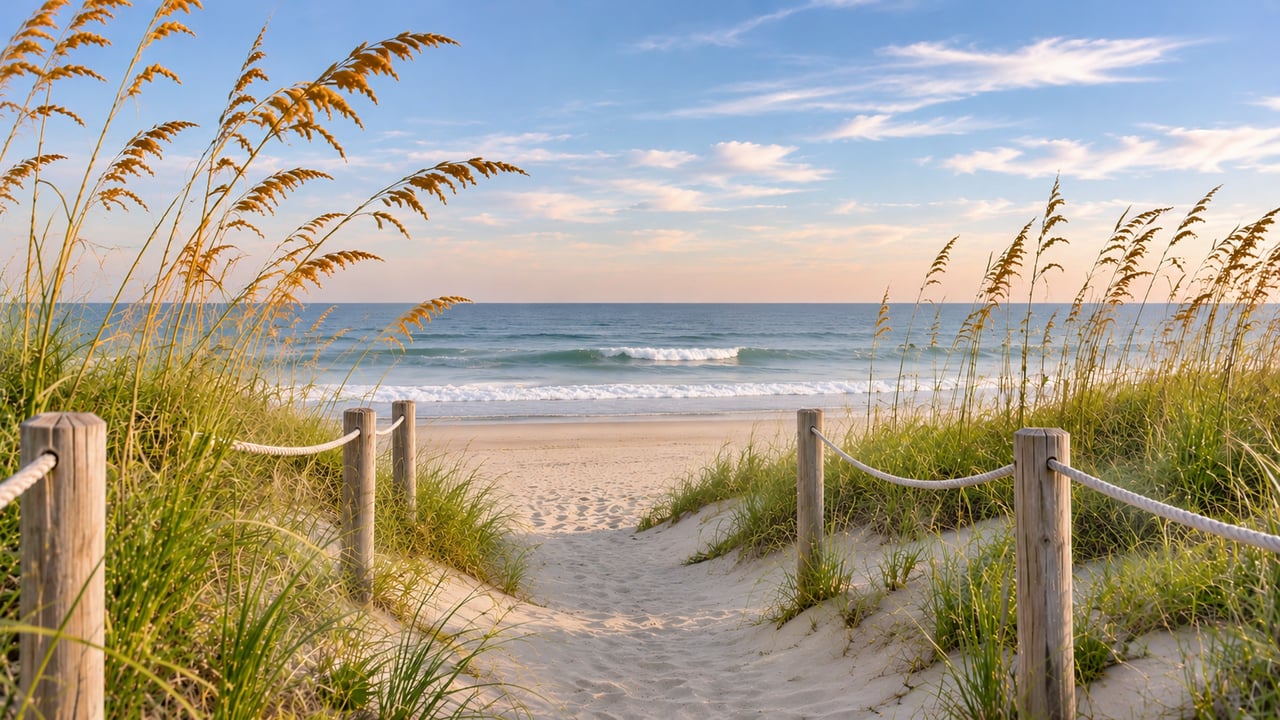
Surf City offers Atlantic Ocean beaches with public access points throughout the island.
The shoreline supports swimming, surfing, fishing, walking, and other coastal recreation.
Public Beach Access
Surf City maintains designated public beach access locations along North Shore Drive, South Shore Drive, and connecting streets.
Facilities vary by access point. Some include parking, while others are primarily pedestrian walkways.
Buyers interested in walking to the beach should evaluate the distance between a specific property and the nearest public access.
Beach Parking
Surf City operates a seasonal paid parking program in designated public parking areas.
Parking rates, enforcement periods, permits, and resident eligibility are established by the town and may change.
Buyers should verify current parking requirements and the availability of private parking at individual properties.
Surfing and Swimming
Surf City is a destination for surfing, swimming, and other ocean recreation.
Ocean conditions vary with tides, weather, wind, and seasonal changes.
Beachgoers should observe posted warnings and be aware of rip currents.
Surf City Ocean Pier
The Surf City Ocean Pier is a recognizable landmark in the central portion of Surf City.
Located near the intersection of South Shore Drive and Roland Avenue, the pier extends into the Atlantic Ocean and has historically served as a fishing and sightseeing destination.
The surrounding district includes restaurants, shops, public beach access, and nearby residential properties.
Pier operations, fishing access, and hours may vary because of weather, maintenance, or other conditions.
The Karen Beasley Sea Turtle Rescue and Rehabilitation Center
The Karen Beasley Sea Turtle Rescue and Rehabilitation Center is located in Surf City.
The center is dedicated to the rescue, rehabilitation, and conservation of sea turtles.
Educational visits and public programs are offered according to the center's operating schedule.
The facility is one of Surf City's established conservation and educational destinations.
Surf City Parks and Recreation
Surf City provides public parks, recreational facilities, and opportunities for outdoor activities.
Soundside Park
Soundside Park is located near the Surf City Bridge and Intracoastal Waterway.
The park includes waterfront views, walking areas, playground facilities, and space for community activities.
Soundside Park also serves as a location for seasonal events and public gatherings.
Surf City Community Center
The Surf City Community Center provides recreational programming and facilities for community activities.
Available programs may include fitness, sports, and organized events.
Walking and Cycling
Surf City's residential streets and public recreation areas provide opportunities for walking and cycling.
The island's relatively flat terrain supports recreational cycling, although riders should observe traffic conditions, especially during busy visitor periods.
Boating, Fishing, and Marinas
Surf City's location along the Atlantic Ocean and Intracoastal Waterway provides access to recreational boating and fishing.
Intracoastal Waterway Access
The Intracoastal Waterway runs along the western side of Topsail Island.
Boaters can access surrounding tidal creeks, coastal waterways, and the Atlantic Ocean through regional inlets.
Public Boat Access
Public boating facilities are available in the Surf City area and surrounding coastal communities.
Boat ramp availability, parking, launch conditions, and regulations vary by location.
Inshore Fishing
Nearby waters provide opportunities to fish for red drum, spotted seatrout, flounder, and other coastal species.
Fishing seasons, size limits, and harvest regulations may change.
Offshore Fishing
Charter fishing operations serve the Topsail Island area.
Offshore fishing trips may target king mackerel, mahi-mahi, tuna, and other species, depending on the season and conditions.
Kayaking and Paddleboarding
The Intracoastal Waterway, tidal creeks, and marshes provide opportunities for kayaking and paddleboarding.
Paddlers should consider currents, tides, weather, and boat traffic.
Restaurants in Surf City
Surf City has restaurants serving seafood, American cuisine, breakfast, pizza, and casual coastal dining.
Established dining destinations include:
Daddy Mac's Beach Grille: Oceanfront dining with seafood and American dishes.
Shaka Taco: Tacos and casual coastal dining.
Sears Landing Grill & Boat Docks: Waterfront dining near the Intracoastal Waterway.
SurfDog Bites & Brews: Casual American food.
The Shuckin' Shack Oyster Bar: Seafood and oysters.
New York Corner Deli: Sandwiches and deli-style food.
Daybreak Donuts: Donuts and breakfast items.
Restaurant ownership, menus, locations, and hours may change.
Grocery Stores and Shopping in Surf City
Surf City residents have access to grocery stores, pharmacies, convenience stores, and local retailers.
Grocery Shopping
Harris Teeter and Publix are among the grocery options serving the Surf City area.
Additional shopping is available in Hampstead, Sneads Ferry, and Jacksonville.
Local Shopping
Surf City includes surf shops, boutiques, beach supply stores, gift shops, and fishing-related retailers.
Larger Shopping Destinations
Residents may travel to Wilmington or Jacksonville for additional national retailers, specialty stores, and larger commercial centers.
Healthcare Near Surf City
Surf City residents have access to medical offices, pharmacies, dental practices, and outpatient healthcare services in the surrounding area.
Novant Health Pender Medical Center
Novant Health Pender Medical Center is located in Burgaw and provides hospital and medical services for Pender County residents.
Novant Health New Hanover Regional Medical Center
Novant Health New Hanover Regional Medical Center is located in Wilmington and provides emergency care, inpatient services, and specialty medical treatment.
Onslow Memorial Hospital
Onslow Memorial Hospital is located in Jacksonville and serves residents of Onslow County and surrounding areas.
Local Healthcare Services
Surf City, Hampstead, Holly Ridge, and Sneads Ferry offer additional primary care and outpatient medical services.
Schools Serving Surf City
Surf City spans Pender and Onslow counties, making school assignments especially important to verify.
Pender County Schools
Schools commonly associated with Surf City addresses in Pender County include:
Elementary School: Surf City Elementary School
Middle School: Surf City Middle School
High School: Topsail High School
Onslow County Schools
Properties in the Onslow County portion of Surf City may be assigned to schools within Onslow County Schools.
Assignments depend on the individual address and current attendance boundaries.
School Assignment Disclaimer: School boundaries, enrollment policies, and assignments can change. Buyers should verify the assigned elementary, middle, and high schools for a specific Surf City property directly with Pender County Schools or Onslow County Schools before purchasing.
Utilities and Infrastructure in Surf City
Utility services vary by location, particularly between the island and mainland and between Pender and Onslow counties.
Water and Sewer
Many Surf City properties are connected to public water and wastewater systems.
However, service providers and connection arrangements may vary by address.
Buyers should confirm water and sewer availability, billing, and any outstanding assessments.
Electricity
Electrical service is available through utilities serving the Topsail Island area, including Jones-Onslow Electric Membership Corporation in portions of the region.
Buyers should confirm the provider for each property.
Internet and Cable
Broadband and cable service options vary by address.
Buyers requiring high-speed internet for remote work should verify available providers, connection types, and service speeds.
Trash and Recycling
Trash and recycling services are provided through municipal or contracted arrangements.
Collection schedules and charges may differ for single-family residences, condominiums, and vacation rental properties.
Stormwater and Drainage
Stormwater management is an important consideration in Surf City.
Low-lying areas, tidal waterways, and heavy coastal rainfall can affect drainage.
Buyers should evaluate property grading, drainage easements, and any history of flooding.
Flood Zones and Coastal Insurance in Surf City
Surf City is exposed to coastal weather hazards, including hurricanes, tropical storms, heavy rainfall, storm surge, and wind.
Flood risk varies by property.
FEMA Flood Zones
Surf City properties may fall within different FEMA flood zones.
Buyers should review the official flood designation, elevation information, and applicable insurance requirements for the specific address.
Flood Insurance
Flood insurance is separate from most standard homeowners insurance policies.
Properties with federally backed mortgages in designated high-risk flood zones generally require flood insurance.
Flooding can also occur outside higher-risk mapped areas.
Wind and Hail Insurance
Surf City homeowners should evaluate wind and hail coverage, named-storm deductibles, and hurricane-related policy provisions.
Insurance premiums vary according to location, construction type, age, elevation, coverage limits, and insurer requirements.
Insurance for Vacation Rentals
Properties used as short-term rentals may require different insurance coverage from owner-occupied homes.
Buyers should verify that insurance policies cover the property's intended use.
Property Taxes in Surf City
Surf City properties are subject to county property taxes and applicable municipal property taxes.
Because Surf City spans Pender and Onslow counties, the county portion of the tax bill depends on the property's location.
Properties outside town limits may have different taxing jurisdictions.
Annual taxes depend on assessed value, applicable rates, exemptions, and property classification.
Buyers should verify current assessments and tax jurisdictions for the specific property.
Short-Term Rentals and Vacation Homes in Surf City
Surf City has an established vacation rental market.
Many oceanfront homes, condominiums, and beach cottages are used as seasonal accommodations.
Are Short-Term Rentals Allowed in Surf City?
Short-term rentals operate in Surf City, but owners must comply with applicable town regulations, tax requirements, and property-specific restrictions.
Condominium and homeowners associations may establish additional rental rules.
Vacation Rental Considerations
Buyers should evaluate:
Occupancy and parking requirements
Local and state tax obligations
HOA or condominium restrictions
Cleaning and maintenance expenses
Storm-related interruptions
Property condition and accessibility
Rental income varies by property and is not guaranteed.
Rental Disclaimer: Short-term rental rules, taxes, association restrictions, and operating requirements may change. Buyers should verify current requirements with the Town of Surf City and any applicable association before purchasing a property for rental purposes.
New Construction and Renovations in Surf City
Surf City includes established homes, renovated cottages, and newer coastal construction.
On the island, new homes are often built on vacant lots or redeveloped residential parcels.
On the mainland, newer subdivisions may offer modern floor plans and neighborhood amenities.
Elevated Coastal Construction
Many newer island homes feature elevated living areas supported by engineered foundations.
These designs may help satisfy applicable building and floodplain requirements but do not eliminate storm risk.
Renovating Older Homes
Renovations may involve updates to kitchens, bathrooms, roofs, windows, siding, and mechanical systems.
Major renovations can trigger additional building or floodplain requirements.
Buyers should consult the appropriate permitting authority before planning substantial improvements.
Building on a Vacant Lot
Buyers considering vacant land should evaluate zoning, setbacks, flood elevations, utilities, stormwater requirements, and applicable coastal development permits.
Not all portions of a lot may be buildable.
Year-Round Living in Surf City
Surf City includes permanent residents, second-home owners, and seasonal visitors.
The town provides access to grocery stores, restaurants, schools, municipal services, and recreational facilities.
Mainland neighborhoods may offer different commuting patterns and access to everyday services compared with island properties.
Seasonal Population Changes
Surf City experiences increased visitor activity during summer months and holidays.
Seasonal activity can affect traffic, parking, restaurants, and beach access.
Surf City Compared with Topsail Beach
Surf City and Topsail Beach are separate municipalities on Topsail Island.
Surf City has a larger central commercial district and includes mainland residential areas.
Topsail Beach is located farther south and has its own municipal government, residential neighborhoods, beach access points, and local regulations.
Surf City Compared with North Topsail Beach
North Topsail Beach is located north of Surf City and extends into Onslow County.
Both towns offer oceanfront homes, condominiums, and vacation properties.
Buyers should compare property types, insurance requirements, municipal regulations, and proximity to shopping and healthcare.
Frequently Asked Questions About Surf City, NC
Where is Surf City located in North Carolina?
Surf City is located on Topsail Island and adjacent mainland areas in southeastern North Carolina, spanning portions of Pender and Onslow counties.
What types of homes are for sale in Surf City, NC?
Surf City offers beach cottages, elevated coastal homes, oceanfront residences, waterfront properties, condominiums, townhomes, and new construction.
Are there homes without HOA fees in Surf City?
Yes. Many detached homes in Surf City are located outside mandatory homeowners associations and have no recurring HOA dues.
How much are HOA fees in Surf City?
Surf City does not have a townwide HOA. Fees vary by condominium, townhome development, or residential subdivision, and some homes have no HOA dues.
Are there oceanfront homes for sale in Surf City?
Yes. Surf City includes oceanfront properties along North Shore Drive, South Shore Drive, and other Atlantic-facing locations.
Does Surf City have Intracoastal Waterway homes?
Yes. Surf City includes waterfront homes overlooking the Intracoastal Waterway, tidal creeks, and coastal marshes.
Can you buy a home with a private boat dock in Surf City?
Yes. Certain waterfront properties include private docks or boat lifts. Buyers should verify dock permits, water depth, navigability, and ownership rights.
Are short-term vacation rentals allowed in Surf City?
Surf City has an established vacation rental market. Rental properties must comply with applicable municipal regulations, tax requirements, and any HOA or condominium restrictions.
How far is Surf City from Wilmington, NC?
Surf City is generally approximately 40–55 minutes from downtown Wilmington, depending on traffic and the starting location.
Is Surf City on Topsail Island?
Yes. Surf City occupies the central portion of Topsail Island and also includes mainland residential areas.
Does Surf City have public beach access?
Yes. Surf City maintains designated public beach access points throughout the island.
Is beach parking free in Surf City?
Surf City operates a seasonal paid parking program in designated public parking areas. Current rates and permit options should be verified with the town.
Does Surf City have a fishing pier?
Yes. The Surf City Ocean Pier is located near the town's central beach district.
What schools serve Surf City?
Surf City properties in Pender County are commonly associated with Surf City Elementary School, Surf City Middle School, and Topsail High School. Onslow County assignments may differ.
Is Surf City in a flood zone?
Flood zone designations vary by property. Buyers should review FEMA maps, elevation information, and insurance requirements for the specific Surf City address.
Does Surf City have public water and sewer?
Many Surf City properties have public water and wastewater service. Buyers should verify providers and connections for each property.
Are there new construction homes in Surf City?
Yes. Surf City includes new construction on island residential lots and in mainland developments.
Is Surf City a year-round community?
Yes. Surf City has permanent residents, schools, local businesses, municipal services, and recreational facilities, alongside seasonal vacation properties.
Are golf carts allowed in Surf City?
Golf carts and low-speed vehicles are subject to North Carolina laws and local regulations. Owners should verify current equipment, registration, insurance, roadway, and parking requirements.
Does Surf City have public boat ramps?
Public boating facilities are available in the Surf City area and surrounding Topsail Island communities. Boaters should verify current access and launch conditions.
What is the difference between Surf City and Topsail Beach?
Surf City and Topsail Beach are separate incorporated towns on Topsail Island. Surf City includes mainland residential areas and a larger commercial district, while Topsail Beach occupies the southern portion of the island.
Can you buy a vacation rental property in Surf City?
Yes. Surf City includes homes and condominiums used as vacation rentals. Buyers should verify rental eligibility, insurance, parking, and any association restrictions.
Are there mainland homes for sale in Surf City?
Yes. Mainland Surf City includes single-family neighborhoods, townhomes, and newer residential developments.
How far is Surf City from Camp Lejeune?
Surf City is generally approximately 30–45 minutes from portions of Camp Lejeune, depending on the gate, route, and traffic.
How can I find homes for sale in Surf City, NC?
Surf City homes for sale can be viewed below, including oceanfront homes, beach cottages, waterfront residences, condominiums, townhomes, mainland properties, and new construction.
View Homes for Sale in Surf City, NC
Surf City offers coastal real estate across Topsail Island and the surrounding mainland, including established beach cottages, elevated homes, oceanfront residences, waterfront properties, condominiums, and new construction.
With Atlantic Ocean beaches, public beach access, boating opportunities, recreational facilities, and proximity to Wilmington, Hampstead, and Jacksonville, Surf City provides residential options for buyers considering a primary residence, second home, or vacation property.
Buyers can compare homes based on island or mainland location, proximity to the ocean, property type, flood zone, insurance requirements, HOA obligations, and permitted rental uses.
The Chris Luther Team can help buyers explore Surf City properties, evaluate coastal ownership considerations, and navigate the purchasing process throughout Surf City, Topsail Beach, North Topsail Beach, and the surrounding region.
View homes for sale in Surf City below, or contact the Chris Luther Team today for more information.