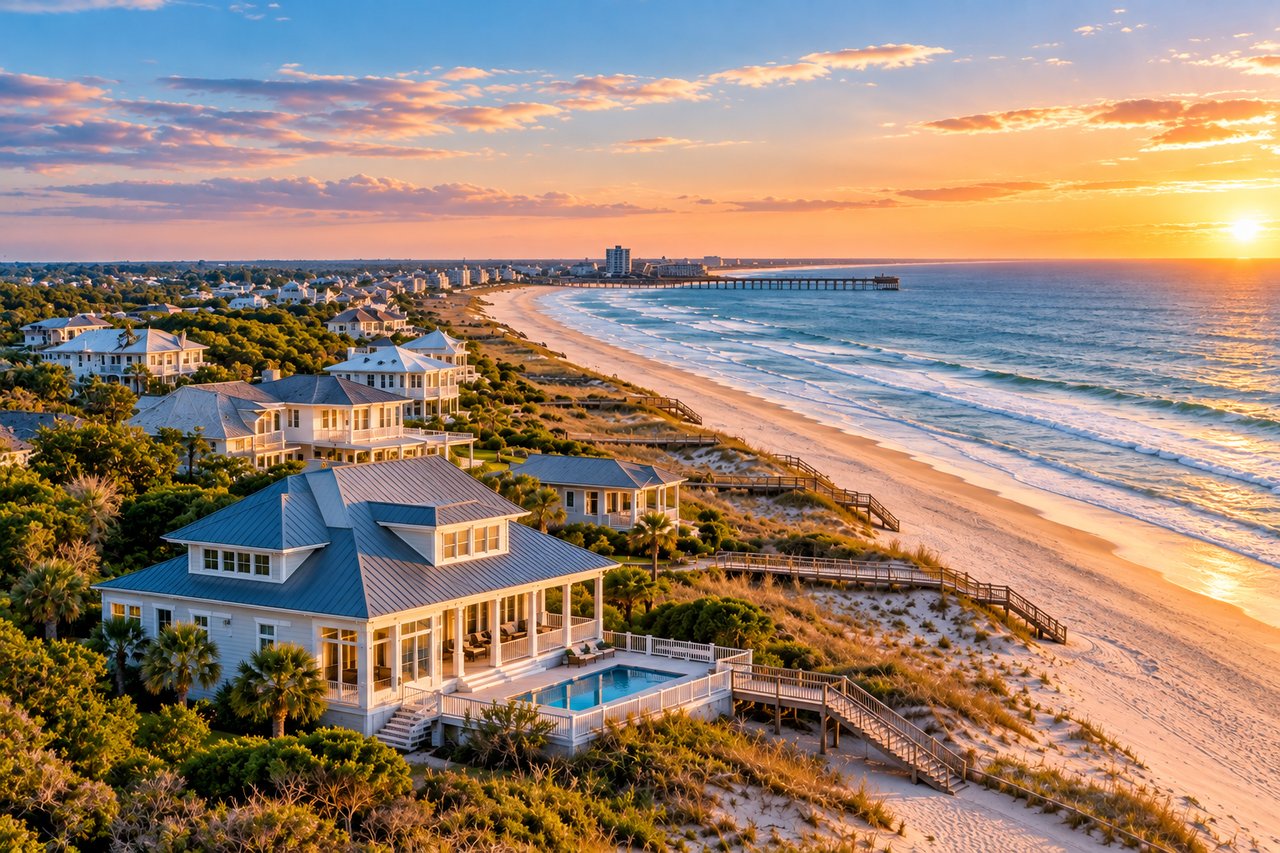
Thinking about buying a second home on Figure Eight Island? This is one of those purchases where the view matters, but the ownership details matter just as much. If you want privacy, coastal access, and a property that can serve your family for years to come, you need a plan that goes beyond the usual beach-house checklist. Let’s dive in.
Start With the Island’s Ownership Reality
Figure Eight Island is not just another coastal neighborhood. It is a private, unincorporated residential island in New Hanover County, just north of Wrightsville Beach, with access controlled through the homeowners association.
That private structure shapes the ownership experience from day one. If you are considering a second home here, it helps to think of the purchase as a long-term stewardship decision, not simply a lifestyle upgrade.
Why Privacy Is a Major Draw
For many buyers, the biggest appeal is the island’s controlled-access setting. The community is crossed by a bridge over the Intracoastal Waterway, and HOA materials make clear that access is restricted to association members.
That can support the kind of low-density coastal experience many second-home buyers want. It also means you should think ahead about guest entry, service visits, caretakers, and storm-season logistics before you close.
Daily Life Comes With Structure
The island’s operating rules reflect a strong preference for order and coordination. Public HOA contractor rules include a 15 mph bridge speed limit, a 25 mph island speed limit, and work hours that end by 6:30 p.m.
Those details may seem small, but they tell you a lot about the environment. Figure Eight Island is designed for quiet enjoyment, careful access, and predictable operations.
Review HOA Documents Early
On Figure Eight Island, HOA governance is central to ownership. Public HOA resources include board minutes, annual member meeting minutes, ARC guidelines, bylaws, declaration documents, rules and regulations, and contractor rules.
If you are serious about a purchase, reviewing those materials before closing is essential. This is especially important if the home may need updates, repairs, or future improvements.
Renovation Plans Need Approval
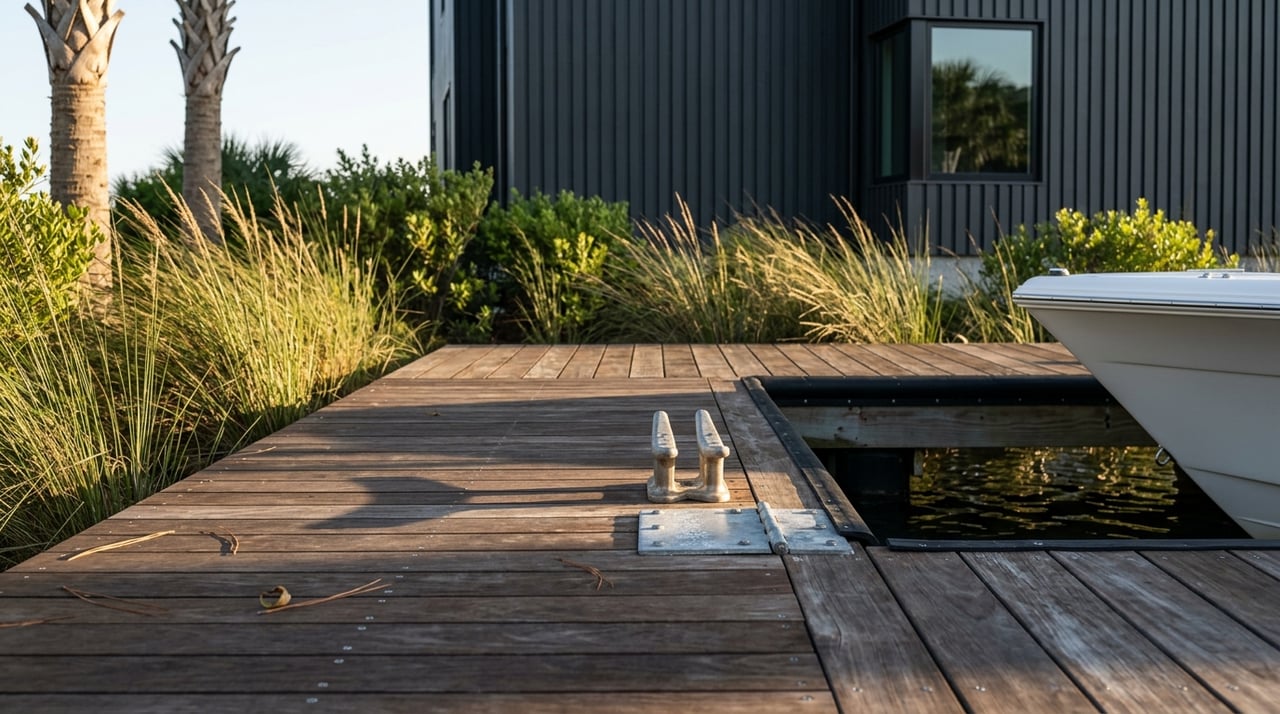
You should not assume you can remodel freely after closing. The contractor rules state that written ARC approval is required before work begins for construction, landscaping, marine improvements, site clearing, grading, and even exterior painting.
The same rules also address parking, deliveries, passes, advertising, and on-site conduct. Violations can result in fines, project suspension, or denial of island access, so planning ahead matters.
Expect Longer Timelines
If your second-home strategy includes renovations, expect more coordination than you might in a typical suburban market. On Figure Eight Island, the HOA approval layer and the coastal permitting layer can both affect timing.
According to North Carolina coastal management guidance, projects such as additions, docks, dune work, grading, and shoreline protection may require review and additional permits. That makes early due diligence a smart move, especially for buyers who want to personalize a property.
Budget for True Carrying Costs
The purchase price is only part of the financial picture. A second home on Figure Eight Island should be evaluated with full carrying costs in mind.
New Hanover County’s fiscal year 2025 to 2026 property tax rate is 30.6 cents per $100 of assessed value. On a high-value coastal property, that can become a meaningful annual expense before insurance, HOA charges, utilities, and maintenance are added.
Insurance Deserves Special Attention
Insurance is one of the most important planning items for a coastal second home. The North Carolina Department of Insurance says standard homeowners policies do not cover flood, and in some coastal areas, windstorm and hail may be excluded from the standard policy.
Flood insurance is separate, and the state notes that flood coverage policies generally have a 30-day waiting period before coverage takes effect. The department also explains that the Coastal Property Insurance Pool may serve as a market of last resort when standard coverage is not available.
Maintenance Is Part of Coastal Ownership
On a barrier island, maintenance is not just cosmetic. It is part of protecting the property and keeping it ready for your use.
HOA hurricane guidance recommends that nonresident owners arrange a local caretaker, keep a Wilmington-area contact, store protective materials, trim trees and shrubs, inspect roofing and windows, and make plans for vehicles, boats, and valuables. If you live elsewhere most of the year, that local support plan is worth building before you need it.
Think Carefully About Rental Plans
Some buyers explore second homes with future rental use in mind. If that is part of your thinking, it is important to understand the tax side of the equation.
New Hanover County charges a 6% room occupancy tax, and accommodation rentals are also subject to state and applicable local sales and use tax. Based on the published New Hanover County sales-tax rate of 7%, the public figures suggest about a 13% tax load on short-term rental receipts before management or platform fees.
That does not automatically make renting a bad idea. It simply means your purchase analysis should be grounded in real carrying costs, real tax obligations, and the practical realities of owning in a private, highly regulated coastal setting.
Understand Shoreline and Flood Risk
On Figure Eight Island, shoreline conditions are part of the ownership story. Public records from the U.S. Army Corps of Engineers describe the island as a privately developed barrier island with a history of erosion concerns and shoreline protection work, including activity around Rich Inlet and Nixon Channel.
North Carolina’s 2025 erosion-rate and setback-factor study also includes Figure Eight Island and notes that it has about 3.6 miles of oceanfront shoreline between Mason Inlet and Rich Inlet. For buyers, the takeaway is simple: coastal risk should be reviewed parcel by parcel, not assumed.
Verify the Exact Parcel Context
Before closing, confirm the flood zone and setback context for the specific property you want to buy. FEMA identifies its Flood Map Service Center as the official public source for flood hazard information.
That gives your surveyor, lender, and insurance professional a starting point for evaluating the exact risk profile of the home or lot. Two properties on the same island can still present different risk and insurance considerations.
Use a Lender Familiar With Coastal Second Homes
Financing a luxury second home can be more nuanced than financing a primary residence. Documentation standards still matter, and underwriting should be handled cleanly from the start.
The practical move is to work with a lender who is comfortable with second-home and jumbo lending on coastal property. On a market like Figure Eight Island, lender experience with coastal collateral can help reduce delays and improve clarity during the transaction.
Plan for Legacy, Not Just Lifestyle
The strongest second-home purchases on Figure Eight Island are usually built around long-term use. The island’s private governance, permitting environment, and shoreline-management history make it a better fit for buyers thinking about family enjoyment, privacy, and stewardship than quick speculation.
That mindset can shape better decisions from the beginning. Instead of focusing only on price per square foot, consider how the property will be used, who will manage it, and how ownership may be structured over time.
Questions Worth Asking Early
If this may become a long-term family property, think through the bigger picture before you buy:
- How do you want to hold title?
- Will the home be owned personally, in a trust, or through an entity?
- How will family members share use of the property?
- Who will handle maintenance when you are away?
- Who is your local contact during storm season?
These are not small details. On a private barrier island, good ownership planning often makes the difference between a property that feels easy to enjoy and one that feels harder to manage than expected.
A Smart Buying Approach
If you are planning a second home purchase on Figure Eight Island, a disciplined process will serve you well. The island offers privacy, beach and boating access, and close proximity to Wilmington, but it also asks owners to be thoughtful.
A smart approach usually includes:
- Reviewing HOA documents before closing
- Understanding ARC approval requirements
- Confirming flood-zone and setback details for the parcel
- Pricing out property tax, insurance, HOA costs, and maintenance
- Building a storm-preparedness and caretaker plan
- Working with professionals who understand coastal second-home purchases
When you treat the purchase as both a lifestyle decision and a stewardship decision, you are more likely to buy the right property for the right reasons.
If you are weighing a second home on Figure Eight Island, The Chris Luther Real Estate Team can help you navigate the details with local coastal insight and a high-touch approach tailored to luxury buyers.
FAQs
Is Figure Eight Island private?
- Yes. HOA materials describe Figure Eight Island as a private residential community with access restricted to association members.
Can you remodel a second home on Figure Eight Island without approval?
- No. Written ARC approval is required before work begins on items such as construction, landscaping, marine improvements, grading, site clearing, and exterior painting.
What carrying costs should you expect for a Figure Eight Island second home?
- You should plan for New Hanover County property taxes, HOA or association charges, insurance, utilities, ongoing maintenance, and possible rental-related taxes if you lease the home short-term.
Does flood insurance come with a standard homeowners policy on Figure Eight Island?
- No. The North Carolina Department of Insurance says standard homeowners policies do not cover flood, and flood insurance must be purchased separately.
Should a Figure Eight Island purchase be viewed as a long-term hold?
- In many cases, yes. The island’s private governance, shoreline conditions, and permitting requirements make it better suited to long-term ownership and legacy planning than short-term speculation.