If you are getting ready to move, listing your home can feel like one more big project on an already full plate. The good news is that a smart pre-listing plan can help you avoid delays, reduce stress, and make your home show better from day one. For Leland sellers, that plan should include not just cleaning and repairs, but also local paperwork, flood-related details, and photo-ready presentation. Let’s dive in.
Start With Local Leland Details
Before you think about listing photos or showings, it helps to confirm the property details that buyers often ask about right away. In Leland, flood-zone status is one of the most important items to verify early.
The Town of Leland participates in FEMA’s Community Rating System and shares flood protection guidance for property owners. Brunswick County also points owners to flood tools like its Flood Zone Viewer and flood hazard resources, so it is wise to confirm whether your home is in or near a special flood hazard area and gather any elevation certificate you may already have.
You should also pull together any records tied to permits, inspections, and occupancy. The Town of Leland notes that permit records, certificates of occupancy, and related property information may be available through its permitting portal, and zoning letters can help identify current or closed code issues.
If your home has a private well or septic system, gather those records early too. Brunswick County Environmental Health is the local source for well and on-site wastewater information, and having those documents ready can save time once buyers begin asking questions.
Gather Disclosures Before Listing
One of the most important steps in North Carolina is getting your required disclosures in order. The North Carolina Real Estate Commission says that most sellers of residential properties with one to four units must provide the Residential Property and Owners’ Association Disclosure Statement before an offer is made.
That matters even more now because the revised disclosure form that took effect July 1, 2024 includes more detailed flood-related questions. According to the Commission’s guidance on the revised disclosure statement, sellers complete disclosures based on their actual knowledge, the form is not a warranty, and updates are required if new information comes to light.
Most sellers in North Carolina must also provide the separate Mineral and Oil and Gas Rights Mandatory Disclosure Statement. If your property is subject to an HOA or mandatory covenants, it is also helpful to gather your association documents, dues information, and any transfer fees before the home goes live.
Pull Together Your Property Records
The more organized you are before listing, the smoother the process tends to be. Buyers often feel more confident when a seller can quickly provide clear, complete documentation.
A strong pre-listing file for your Leland home may include:
- Recent tax bill
- Property record card
- Deed
- Recorded easements or covenants
- Permit history
- Final inspection records
- Certificate of occupancy or certificate of compliance, if applicable
- Flood-zone information and elevation certificate, if available
- Septic and well permits, if applicable
- HOA documents, dues schedule, and transfer fee information
Brunswick County maintains property tax records and ownership information, while the Register of Deeds records instruments such as deeds, easements, mortgages, maps, and restrictions. If there are any liens, deferred taxes, assessments, or similar items attached to the property, Brunswick County also notes that tax certifications can reflect those issues.
Fix the Obvious First
Once the paperwork is underway, shift your attention to the condition of the home. You do not have to make every upgrade, but you should address the issues that stand out right away.
According to the National Association of Realtors’ 2025 Profile of Home Staging, sellers’ agents most often recommend decluttering, full-home cleaning, and curb appeal improvements. The same report also lists paint touch-ups, minor repairs, carpet cleaning, outdoor cleanup, and depersonalizing as common pre-listing steps.
For many sellers, this means focusing on simple, visible wins first:
- Patch wall dings or nail holes
- Touch up worn paint
- Fix loose handles, hinges, or faucets
- Replace burned-out bulbs
- Clean carpets and flooring
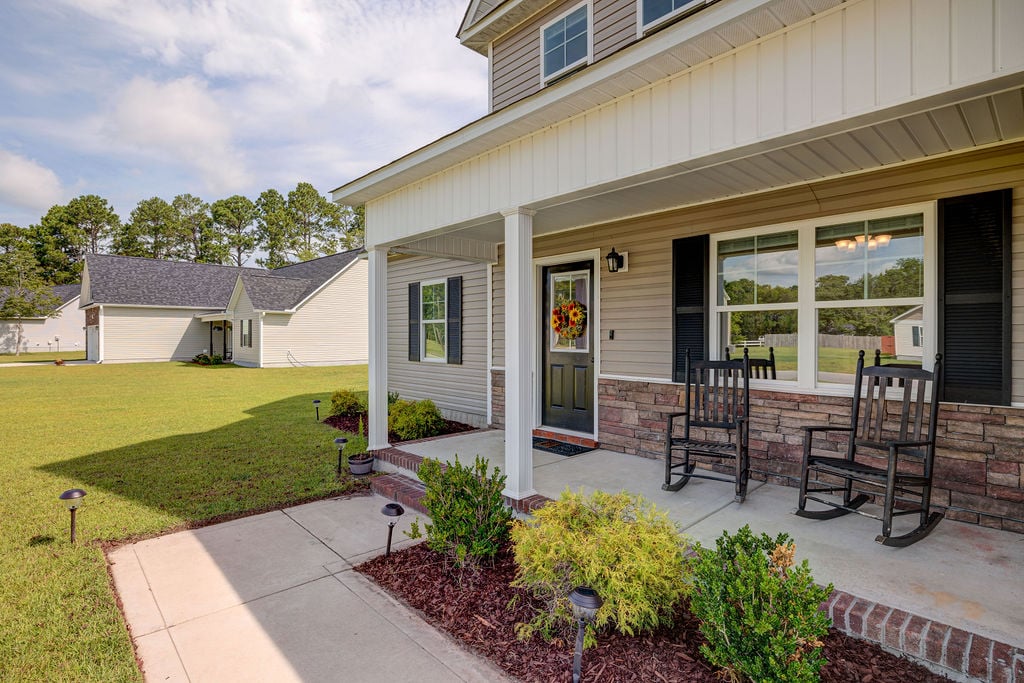
- Freshen mulch, trim shrubs, and tidy the entry
- Remove excess personal items and decor
In a market like Leland, it also makes sense to pay close attention to moisture-related signs. NOAA’s Wilmington climate normals show normal annual rainfall above 60 inches, so buyers may notice things like stained soffits, clogged gutters, poor drainage, or visible water marks more quickly.
Declutter Before You Deep Clean
If you only have time for a few high-impact tasks, decluttering should be near the top of the list. NAR found that 91% of sellers’ agents recommended decluttering and 88% recommended cleaning the entire home.
Decluttering helps rooms feel larger, brighter, and easier to understand in photos and in person. It also makes deep cleaning much easier because surfaces, floors, and storage areas are more accessible.
Start with the areas buyers notice first:
- Kitchen counters
- Bathroom vanities
- Main living spaces
- Closets with visible storage
- Entryways and drop zones
Once clutter is reduced, schedule or complete a thorough cleaning. Pay special attention to floors, baseboards, windows, kitchen surfaces, bathrooms, ceiling fans, and any area where dust or odor can build up.
Focus on the Rooms That Matter Most
Not every room carries the same weight in a buyer’s first impression. NAR’s staging report found that the living room, primary bedroom, and kitchen are the most important spaces to stage.
That gives you a clear roadmap. If your time or budget is limited, put your effort into making those three spaces feel clean, open, and well lit.
Here are a few practical ways to do that:
Refresh the Living Room
Keep furniture layouts simple and open enough for easy movement. Remove extra side tables, stacks of media, and oversized decor that make the room feel crowded.
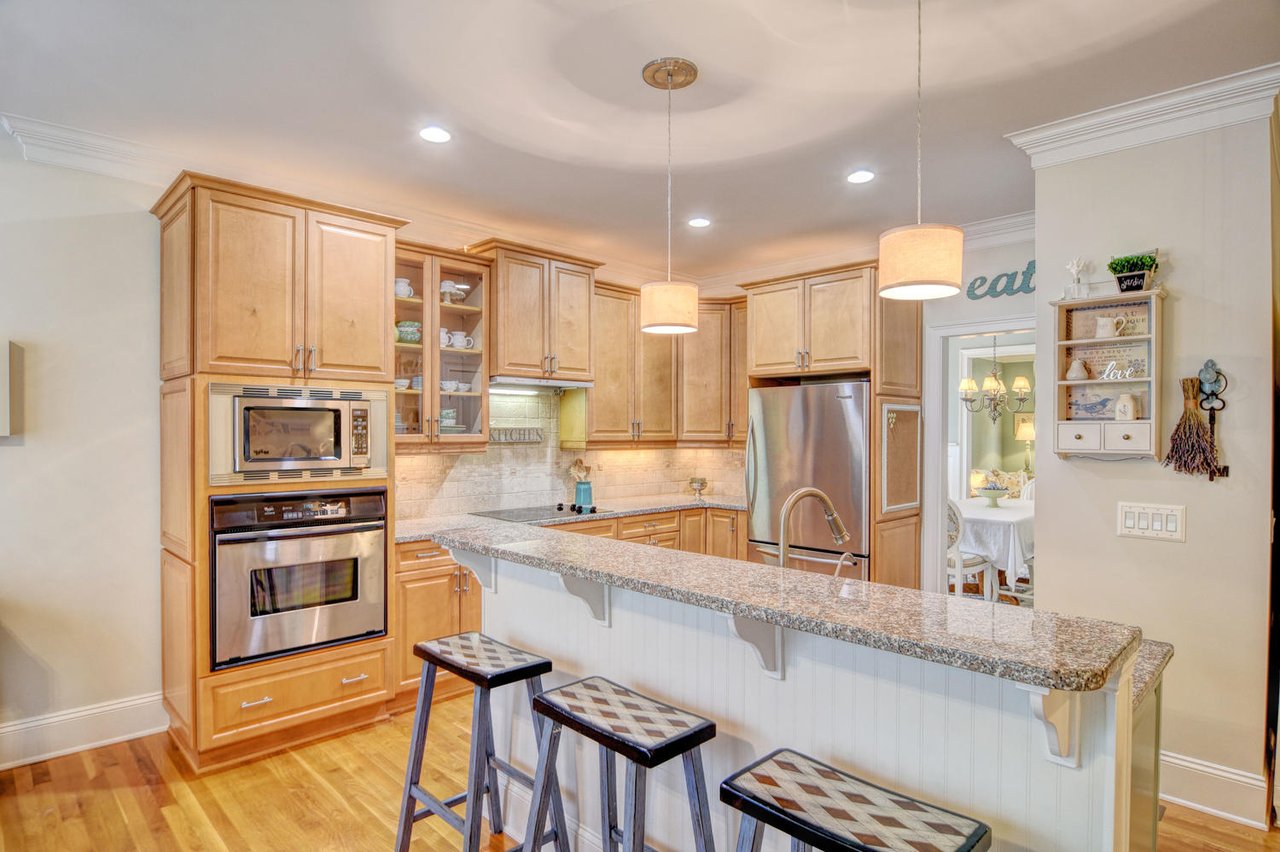
Simplify the Kitchen
Clear counters as much as possible and store away small appliances you do not use daily. Buyers tend to respond well to kitchens that look clean, bright, and easy to maintain.
Calm the Primary Bedroom
Use neutral bedding, reduce furniture if the room feels tight, and remove highly personal items. The goal is to help buyers focus on the space itself.
Prep for Photos First
Your online presentation shapes many buyers’ first impressions, so photo prep deserves real attention. In NAR’s 2025 survey, 73% of buyers’ agents said photos were important to clients, while 88% of sellers’ agents said the same.
That means your home should be ready for the camera before the listing goes live. In many cases, the best showing prep starts with what will look good in photos.
Before photography day, aim to:
- Open blinds and curtains for natural light
- Turn on lamps and overhead lighting
- Hide visible cords and chargers
- Clear countertops and bedside tables
- Remove trash cans, pet items, and personal care products
- Straighten rugs, pillows, and chairs
- Make sure exterior spaces look neat and swept
Videos and virtual tours also remain important marketing tools, according to the same NAR report. A clean, polished setup helps your home look consistent across every format.
Make Showings Easier on Yourself
Once your listing is active, convenience matters. The easier it is to keep the home show-ready, the less stressful the process usually feels.
Create a short pre-showing routine you can do in 10 to 15 minutes. That might include wiping counters, opening blinds, turning on lights, and doing a quick floor check in the main living spaces.
If you have pets, make a plan before every showing. NAR includes removing pets during showings among the common seller-prep recommendations, which can also help with odor control and make the visit more comfortable for buyers.
Decide What Is Worth Spending On
Many sellers wonder how far to go before listing. The answer usually depends on your timeline, budget, and the condition of the home.
The NAR staging report suggests that staging is often helpful, but not always dramatic. In that survey, 30% of sellers’ agents reported slight decreases in time on market, and the median spend on a staging service was $1,500.
That makes one thing clear: you do not have to overdo it. For many Leland sellers, the strongest return comes from the basics first, including cleaning, decluttering, minor repairs, paperwork readiness, and strong photography prep.
Your Leland Pre-Listing Checklist
If you want a practical way to get started, use this checklist before your home hits the market:
- Verify flood-zone status and gather any elevation certificate
- Pull permit, inspection, and occupancy records
- Gather deed, tax records, easements, and covenants
- Locate septic or well records, if applicable
- Prepare required North Carolina disclosure forms
- Collect HOA documents, dues, and transfer fee details, if applicable
- Fix obvious cosmetic and minor repair items
- Clean and declutter the entire home
- Prioritize the living room, kitchen, and primary bedroom
- Tidy exterior spaces, gutters, and drainage areas
- Prepare the home for photography and video
- Create a simple routine for future showings
Selling a home while planning your move is a lot to manage, but the right checklist can make the process feel far more controlled. When you start with local records, disclosure readiness, and presentation basics, you put yourself in a better position to launch with confidence. If you are getting ready to sell in Leland, The Chris Luther Real Estate Team can help you build a smart, polished plan for your next move.
FAQs
What documents should Leland sellers gather before listing a home?
- Leland sellers should gather tax records, the deed, any easements or covenants, permit and inspection records, flood-related documents, and septic or well paperwork if applicable.
What North Carolina disclosure forms do Leland home sellers usually need?
- Most sellers of one-to-four-unit residential properties need the Residential Property and Owners’ Association Disclosure Statement and the Mineral and Oil and Gas Rights Mandatory Disclosure Statement.
Why should Leland sellers check flood-zone status before listing?
- Flood-zone status can affect buyer questions, insurance concerns, and disclosure requirements, so verifying it early helps you prepare accurate information before the home goes on the market.
What should Leland sellers clean or fix before listing photos?
- Focus first on decluttering, full-home cleaning, curb appeal, paint touch-ups, minor repairs, carpet cleaning, and tidying up any visible moisture or drainage concerns.
Which rooms matter most when preparing a Leland home for showings?
- The living room, primary bedroom, and kitchen usually deserve the most attention because staging data shows those spaces are the most important for buyer perception.