Downtown Wilmington, NC: Community Guide & Homes for Sale
Discover Historic Homes, Riverfront Living, and Walkable Neighborhoods in Downtown Wilmington
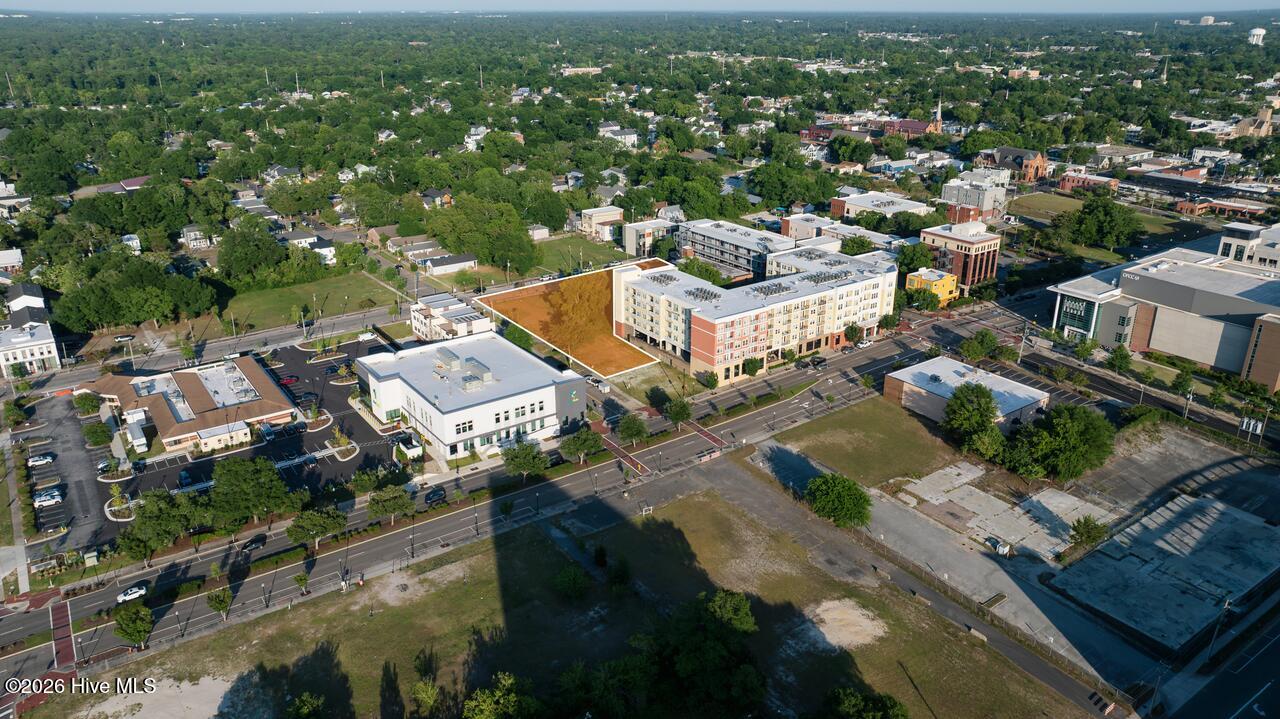
Downtown Wilmington, North Carolina, is one of the most distinctive residential areas in southeastern North Carolina, combining historic architecture, Cape Fear River views, locally owned businesses, and an established urban setting. Located along the eastern bank of the Cape Fear River in New Hanover County, Downtown Wilmington offers a variety of housing options, including historic single-family homes, restored cottages, townhomes, loft apartments, and modern waterfront condominiums.
Unlike newer master-planned communities, Downtown Wilmington has developed over several centuries. Its residential streets feature architectural styles from different periods, with historic homes located alongside renovated properties and newer residential developments. Brick sidewalks, mature trees, front porches, and traditional street grids contribute to the area's character.
For buyers searching for homes for sale in Downtown Wilmington, NC, the area provides an opportunity to live near restaurants, shops, theaters, galleries, waterfront parks, and cultural attractions while remaining connected to the larger Wilmington region.
Where Is Downtown Wilmington Located?
Downtown Wilmington is situated along the Cape Fear River in the western portion of Wilmington, North Carolina. The area generally includes the central business district, historic residential neighborhoods, and surrounding districts extending eastward from the waterfront.
The downtown commercial core is centered around Front Street, Market Street, Water Street, and nearby blocks. Residential neighborhoods extend beyond these streets into areas featuring historic houses, tree-lined sidewalks, and smaller neighborhood commercial centers.
Downtown Wilmington is connected to Brunswick County by the Cape Fear Memorial Bridge and the Isabel Holmes Bridge. Major roads serving the area include US Highway 17, US Highway 74/76, Market Street, and Third Street.
Approximate driving distances and times from central Downtown Wilmington include:
Wilmington International Airport: 4–6 miles, approximately 10–15 minutes
Wrightsville Beach: 10–12 miles, approximately 20–30 minutes
Carolina Beach: 15–17 miles, approximately 25–35 minutes
Leland: Approximately 10–20 minutes, depending on destination and bridge traffic
Mayfaire Town Center: Approximately 20–25 minutes
Southport: Approximately 35–45 minutes
Travel times vary depending on traffic, bridge conditions, and the specific starting point.
Homes and Real Estate in Downtown Wilmington
Downtown Wilmington offers one of the most varied housing inventories in the Wilmington area. Properties range from smaller historic cottages and attached residences to large restored homes, luxury riverfront condominiums, and newer townhome developments.
Because Downtown Wilmington includes several distinct residential areas, home prices, lot sizes, architectural features, and ownership requirements vary considerably.
Historic Single-Family Homes
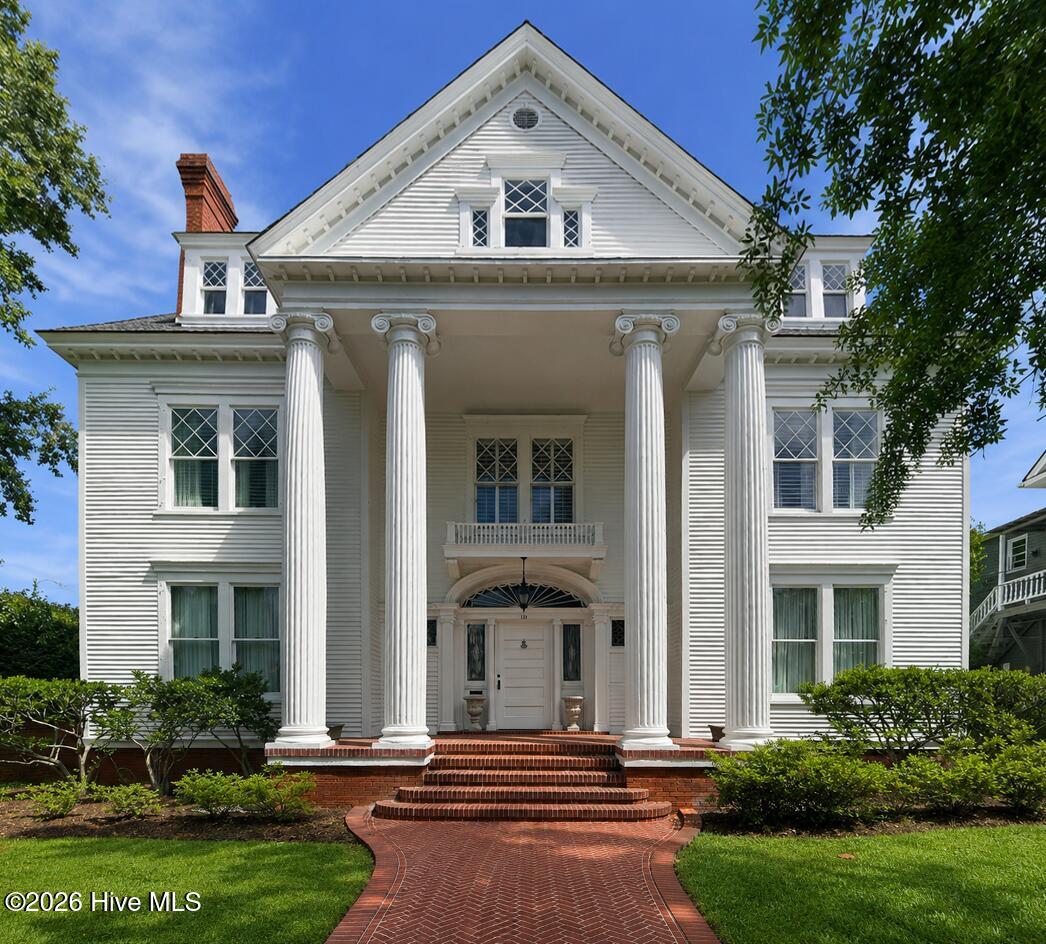
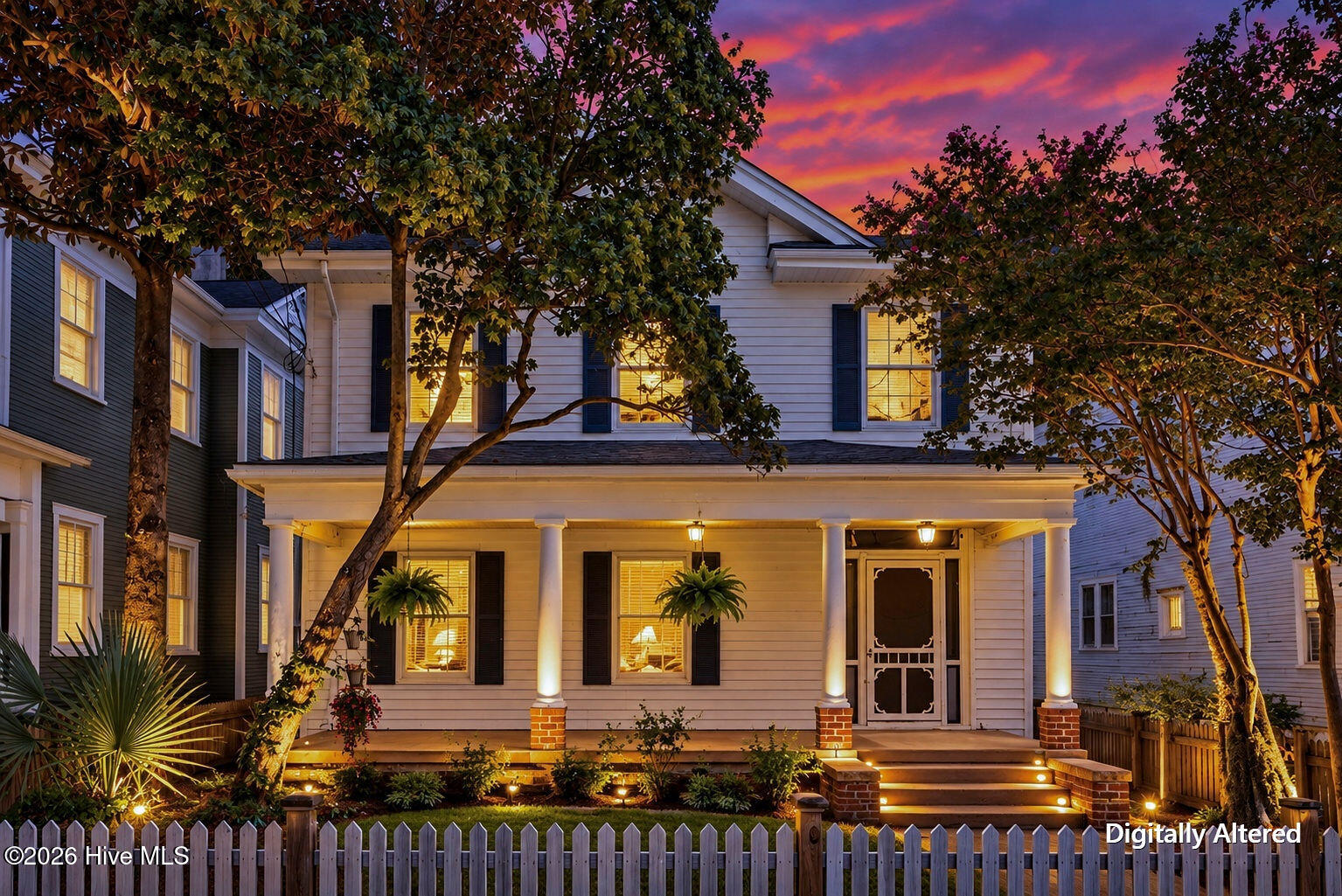
Historic homes are among Downtown Wilmington's most recognizable residential properties. Many were constructed during the 19th and early 20th centuries, although some structures date to earlier periods.
Architectural styles found throughout downtown include:
Traditional Southern cottages
Historic homes may feature original hardwood floors, decorative fireplaces, tall ceilings, detailed millwork, wraparound porches, and distinctive exterior materials.
Some properties have undergone extensive renovations, while others retain older mechanical systems, foundations, windows, or roofing materials that require additional maintenance.
Buyers considering historic homes should carefully evaluate the property's condition, previous renovations, and any applicable historic preservation restrictions.
Downtown Condominiums and Lofts
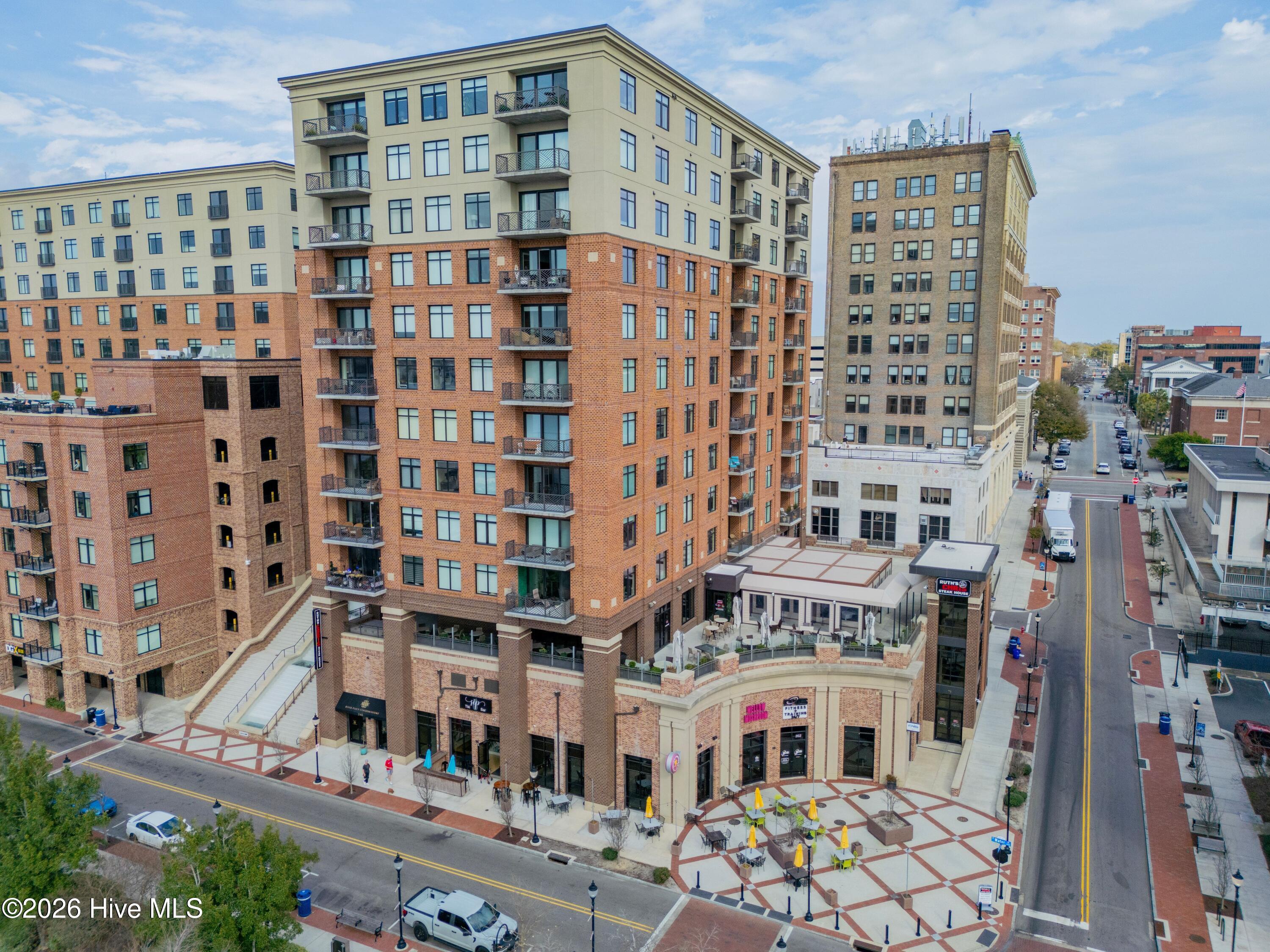
Downtown Wilmington also offers condominium living, particularly near the central business district and Cape Fear River.
Condominium properties may include converted historic buildings, loft-style residences, and newer multistory developments.
Depending on the building, features may include balconies, river views, secured entrances, elevators, covered parking, and shared amenities.
Condominium ownership typically involves homeowners association fees that may cover common-area maintenance, building insurance, exterior upkeep, and certain utilities.
Townhomes and Newer Construction
Although Downtown Wilmington is best known for historic architecture, newer residential construction is also part of the local housing market.
New townhomes, infill construction, and redeveloped properties provide alternatives for buyers who prefer contemporary floor plans and updated building systems.
Available features may include open-concept kitchens, attached garages, energy-efficient windows, modern appliances, and low-maintenance exterior materials.
New construction opportunities are generally more limited than in larger suburban developments because downtown has an established street network and a relatively constrained supply of vacant land.
Historic Districts and Architectural Preservation
A significant portion of Downtown Wilmington is included in the Wilmington Historic District, which is listed on the National Register of Historic Places.
The greater downtown historic district encompasses more than 230 blocks and includes residential, commercial, institutional, and civic buildings representing Wilmington's architectural history.
Certain properties are also located within locally designated historic districts or historic overlays administered by the City of Wilmington.
These designations are important because local historic district regulations may require approval before certain exterior changes can be made.
Projects involving windows, siding, additions, porches, roofing, demolition, and other exterior modifications may require a Certificate of Appropriateness.
National Register designation alone does not generally impose the same local design-review requirements.
Buyers interested in renovating a downtown property should confirm its designation and review the City of Wilmington's historic preservation requirements before purchasing.
Downtown Wilmington Neighborhoods and Residential Districts
Downtown Wilmington is not a single subdivision. Instead, it includes multiple residential districts and surrounding neighborhoods with different architectural styles, development patterns, and proximity to commercial amenities.
Historic Downtown and the River District
The Historic Downtown and River District contains the city's central waterfront, commercial streets, restaurants, shops, and a mix of residential buildings.
Housing options include condominiums, lofts, historic homes, and newer urban residences.
Properties closest to the Cape Fear River may offer waterfront views or convenient access to the Riverwalk.
Brooklyn Arts District
The Brooklyn Arts District is located north of the traditional downtown commercial core and is recognized for its arts venues, historic buildings, and neighborhood businesses.
The area includes older residential properties, adaptive reuse projects, and newer development.
Castle Street Arts District
The Castle Street Arts District extends through portions of the southern downtown area and features locally owned shops, galleries, restaurants, and surrounding residential streets.
Homes in nearby blocks include historic cottages, traditional houses, and renovated properties.
South Front District
The South Front District is located south of the central downtown waterfront and includes former industrial properties that have been adapted for residential, commercial, and mixed-use purposes.
The district offers a different housing environment from the older historic residential streets, with apartments, contemporary residential spaces, and nearby businesses.
Northside and Emerging Residential Areas
Areas north of the traditional downtown core contain a combination of established residential streets, redevelopment projects, and newer housing.
Buyers considering these areas should evaluate individual blocks, nearby land uses, planned construction, and transportation access.
The boundaries of Downtown Wilmington and its surrounding districts are not always identical across city planning maps, neighborhood associations, and real estate searches.
The Wilmington Riverwalk and Cape Fear River
One of Downtown Wilmington's most prominent public amenities is the Wilmington Riverwalk, which extends approximately 1.75 miles along the Cape Fear River.
The Riverwalk connects portions of the downtown waterfront with restaurants, shops, parks, public gathering spaces, and scenic river views.
Residents can walk along the waterfront, observe boat traffic, and enjoy views of the Battleship North Carolina across the river.
The Riverwalk also connects with other pedestrian and bicycle routes, including the River to the Sea Bikeway and East Coast Greenway.
The City of Wilmington began a multiyear Riverwalk decking replacement project in 2025, so temporary construction impacts may affect certain sections.
Parks and Outdoor Recreation
Downtown Wilmington provides access to several public parks and outdoor recreational spaces.
Riverfront Park and Live Oak Bank Pavilion
Riverfront Park is located along the northern downtown waterfront and includes open space, walking areas, and the Live Oak Bank Pavilion concert venue.
The park hosts concerts and public events throughout the year.
Greenfield Lake Park
Located south of the central downtown area, Greenfield Lake Park offers walking trails, lake views, and outdoor recreation.
The park also includes the Greenfield Lake Amphitheater, which hosts concerts and other performances.
Riverfront Activities
The Cape Fear River provides opportunities for sightseeing cruises, boating, and waterfront recreation. Public docking facilities and nearby marinas serve recreational boaters.
The river is a tidal waterway, and recreational use should account for currents, vessel traffic, and changing weather conditions.
Restaurants and Dining in Downtown Wilmington
Downtown Wilmington has a large concentration of restaurants, cafés, bars, breweries, and waterfront dining establishments.
Front Street, Market Street, Water Street, and the surrounding blocks contain a mix of casual restaurants, fine dining establishments, coffee shops, and locally owned businesses.
Some established downtown dining destinations include:
Seabird — Seafood-focused dining on South Front Street.
The Copper Penny — An established downtown restaurant on Chestnut Street.
Circa 1922 — A restaurant on North Front Street offering dinner service.
The Pilot House — Waterfront seafood dining near the southern Riverwalk.
Beer Barrio — Mexican-inspired dining along Front Street.
The downtown restaurant scene extends beyond the central waterfront, with additional dining options in the Castle Street, Brooklyn Arts, and South Front districts.
Shopping and Everyday Conveniences
Downtown Wilmington contains a mix of independently owned boutiques, specialty stores, antique shops, galleries, and neighborhood businesses.
Front Street and Market Street are particularly well known for pedestrian-oriented shopping. The Cotton Exchange, a collection of historic buildings adapted for retail and dining, is another recognizable downtown destination.
Residents can also access grocery stores, pharmacies, banks, medical offices, and other everyday services throughout the surrounding Wilmington area.
While downtown offers a variety of walkable commercial destinations, access to larger grocery stores and national retailers depends on the property's location. Some residents may prefer to drive for routine shopping.
Major retail destinations such as Independence Mall and Mayfaire Town Center are located outside the downtown core.
Arts, Entertainment, and Cultural Attractions
Downtown Wilmington serves as a major cultural and entertainment center for southeastern North Carolina.
Thalian Hall
Thalian Hall is a historic performing arts venue located on North Third Street. The theater hosts live performances, films, concerts, and community events.
Wilson Center
The Wilson Center at Cape Fear Community College hosts touring Broadway productions, concerts, comedy performances, and other events.
Historic Museums and Landmarks
Downtown Wilmington contains several historic attractions, including the Bellamy Mansion Museum, Burgwin-Wright House and Gardens, and Latimer House.
These sites provide opportunities to learn about Wilmington's architecture, maritime history, and development as a coastal port city.
Live Music and Festivals
Downtown Wilmington hosts seasonal festivals, markets, concerts, and community events. Entertainment venues range from smaller neighborhood establishments to the larger Live Oak Bank Pavilion.
Buyers considering homes near entertainment districts should evaluate potential noise, event traffic, and parking activity.
Walkability and Transportation
Walkability is one of the distinguishing characteristics of Downtown Wilmington, particularly in the central business district and nearby residential streets.
Many downtown properties are within walking distance of restaurants, shops, galleries, and public spaces.
However, walkability varies considerably depending on the property's location. A home several blocks from Front Street may offer a different pedestrian experience from a property farther east or north of the central district.
Downtown Wilmington also has access to local bus services, bicycle routes, rideshare transportation, and regional road connections.
Parking is an important consideration for homeowners, particularly in areas where properties do not have dedicated driveways or garages.
The City of Wilmington operates public parking decks, surface lots, and metered on-street parking. Parking rules, rates, and residential permit eligibility vary by location.
Historic Single-Family Homes
Many detached historic homes are not part of a homeowners association and therefore do not have regular HOA assessments.
However, properties within locally designated historic districts may still be subject to municipal preservation regulations.
Condominiums and Townhomes
Downtown condominium and townhome developments commonly have homeowners associations responsible for maintaining shared facilities and common areas.
Monthly HOA fees can vary substantially depending on the building, services, insurance arrangements, amenities, and maintenance responsibilities.
There is no single accurate HOA fee for Downtown Wilmington. Buyers should review the actual assessments for each property, including reserve funding and any planned special assessments.
HOA fees and governing documents can change.
Utilities and Property Maintenance
Downtown Wilmington properties generally have access to established public utility infrastructure, although services and connections should be verified individually.
Water and Sewer
Many properties receive water and sewer service through the Cape Fear Public Utility Authority.
Buyers of older properties should investigate the condition and material of water supply lines, sewer laterals, and other underground infrastructure.
Electricity and Internet
Electricity is generally provided by Duke Energy Progress, while internet options vary by address and may include cable or fiber service.
Availability should be confirmed for the individual property.
Trash and Recycling
Residential trash and recycling services are available through the City of Wilmington for eligible properties.
Collection arrangements may differ for condominiums, commercial buildings, and multifamily properties.
Historic Home Maintenance
Older downtown homes may require additional attention to roofing, foundations, moisture management, plumbing, electrical systems, and exterior materials.
Homes with crawlspaces should be evaluated for moisture intrusion, drainage conditions, ventilation, and structural concerns.
Buyers considering extensive renovations should also investigate permitting requirements and potential historic preservation restrictions.
Flood Zones and Insurance Considerations
Downtown Wilmington is located along the Cape Fear River, making flood risk an important consideration for certain properties.
Flood exposure varies by location, elevation, drainage conditions, and proximity to waterways.
Not every downtown property is located within a high-risk flood zone, and properties several blocks apart may have different insurance requirements.
Buyers should review:
Property-specific flood insurance requirements
Elevation information when available
Drainage and prior water intrusion history
Homeowners insurance coverage
Wind and hail insurance considerations
A standard homeowners insurance policy generally does not cover flood damage.
Property Taxes in Downtown Wilmington
Downtown Wilmington properties are generally subject to property taxes assessed by New Hanover County and the City of Wilmington.
Actual property taxes depend on assessed value, applicable tax rates, and any exemptions or special circumstances.
Because downtown properties include historic homes, condominiums, and newer construction, tax assessments can vary significantly.
Buyers should confirm the current assessed value and tax bill for the individual property rather than relying solely on the seller's previous annual taxes.
Short-Term Rentals and Investment Properties
Downtown Wilmington attracts visitors throughout the year, making rental regulations an important consideration for buyers exploring investment properties or second homes.
However, short-term rentals are subject to local zoning and regulatory requirements.
The City of Wilmington has specific rules governing different types of short-term lodging, and eligibility may depend on the property classification, zoning district, and other requirements.
Condominium associations and individual developments may impose additional restrictions.
Buyers should verify current city regulations, permits, zoning eligibility, and association rules before purchasing a property for short-term rental use.
A property's downtown location does not automatically mean short-term rentals are permitted.
New Construction and Renovation Opportunities
Downtown Wilmington continues to experience redevelopment and reinvestment in existing residential and commercial properties.
Opportunities may include renovated historic homes, adaptive reuse projects, newer condominiums, townhomes, and infill construction.
However, buyers should understand that redevelopment in established urban neighborhoods can involve additional considerations.
These include smaller or irregularly shaped lots, limited off-street parking, historic preservation requirements, construction access, zoning limitations, and compatibility with neighboring properties.
For buyers interested in historic renovations, the condition of the structure and the scope of permitted exterior changes can significantly influence the overall project cost.
What to Consider Before Buying a Home in Downtown Wilmington
Purchasing property in Downtown Wilmington differs in several ways from buying a home in a newer suburban subdivision.
Buyers should evaluate the property's age, construction condition, parking arrangements, flood exposure, and any applicable historic preservation requirements.
Those considering condominium ownership should carefully review association financial statements, insurance coverage, maintenance responsibilities, and potential assessments.
The location of a property within downtown also matters. Homes near the central business district may experience more pedestrian activity, entertainment noise, and event traffic, while residential streets farther from the waterfront may have different conditions.
Understanding these property-specific factors can help buyers compare available homes and make informed purchasing decisions.
Frequently Asked Questions About Downtown Wilmington, NC
Where is Downtown Wilmington located?
Downtown Wilmington is located along the Cape Fear River in New Hanover County, North Carolina. The area includes the historic commercial district, waterfront, and surrounding residential neighborhoods.
What types of homes are available in Downtown Wilmington?
Downtown Wilmington offers historic single-family homes, cottages, townhomes, condominiums, loft-style residences, and newer construction properties.
Are there historic homes for sale in Downtown Wilmington?
Yes. Downtown Wilmington contains homes dating to the 19th and early 20th centuries, along with properties from other periods. Architectural styles include Victorian, Queen Anne, Italianate, Craftsman, and Colonial Revival.
Are there waterfront condos in Downtown Wilmington?
Yes. Downtown Wilmington includes condominium developments along and near the Cape Fear River. Some units offer river views, balconies, and access to downtown restaurants and entertainment.
Is Downtown Wilmington walkable?
Downtown Wilmington has pedestrian-friendly streets, particularly near Front Street, Market Street, and the Riverwalk. Walkability varies by property location.
Does Downtown Wilmington have an HOA?
Downtown Wilmington does not have a community-wide HOA. Many detached homes have no association, while condominium and townhome developments may require monthly or annual assessments.
What are the HOA fees in Downtown Wilmington?
Downtown Wilmington HOA fees vary by development. There is no standard neighborhood-wide fee, and buyers should confirm the current assessment for the specific property.
Are there historic district restrictions in Downtown Wilmington?
Yes. Properties within locally designated historic districts may require approval for certain exterior alterations, additions, and renovations. Requirements depend on the property's designation.
How far is Downtown Wilmington from Wrightsville Beach?
Downtown Wilmington is approximately 10–12 miles from Wrightsville Beach, with typical driving times of 20–30 minutes depending on traffic.
How far is Downtown Wilmington from Carolina Beach?
Downtown Wilmington is approximately 15–17 miles from Carolina Beach, generally a 25–35-minute drive under typical conditions.
What schools serve Downtown Wilmington?
Downtown Wilmington is served by New Hanover County Schools. Specific elementary, middle, and high school assignments depend on the property address and should be verified with the district.
Are there parks near Downtown Wilmington?
Yes. Downtown Wilmington provides access to the Riverwalk, Riverfront Park, and nearby Greenfield Lake Park, along with other public green spaces.
Does Downtown Wilmington have restaurants within walking distance?
Yes. Many properties near the central downtown area are within walking distance of restaurants along Front Street, Market Street, Water Street, and surrounding blocks.
Are there grocery stores near Downtown Wilmington?
Yes. Grocery stores and everyday retail services are available in the surrounding Wilmington area. Driving may be necessary depending on the property's location.
Is parking available in Downtown Wilmington?
Downtown Wilmington offers public parking decks, metered street parking, and some residential off-street parking. Private parking availability varies by property.
Are there new construction homes in Downtown Wilmington?
Yes. Downtown Wilmington has occasional new construction and redevelopment opportunities, including townhomes, condominiums, and infill single-family homes.
Can you renovate a historic home in Downtown Wilmington?
Yes. Historic homes can be renovated, but certain properties are subject to historic preservation review and permitting requirements, particularly for exterior alterations.
Are short-term rentals allowed in Downtown Wilmington?
Short-term rental eligibility depends on city regulations, zoning, and any applicable association restrictions. Buyers should verify requirements for the specific property before purchasing.
Is Downtown Wilmington in a flood zone?
Some Downtown Wilmington properties are located in designated flood hazard areas, while others are not. Flood risk and insurance requirements must be evaluated individually.
Are there luxury homes in Downtown Wilmington?
Yes. Downtown Wilmington includes larger restored historic homes, upscale condominiums, and waterfront residences with premium finishes and architectural features.
How far is Downtown Wilmington from Wilmington International Airport?
Downtown Wilmington is approximately 4–6 miles from Wilmington International Airport, typically a 10–15-minute drive depending on traffic.
What is the difference between Downtown Wilmington and the Historic District?
Downtown Wilmington is a broad geographic term covering the commercial core and surrounding neighborhoods. The Wilmington Historic District is a formally designated historic area, and locally regulated historic districts have their own boundaries and preservation requirements.
Is Downtown Wilmington suitable for a primary residence?
Downtown Wilmington offers housing options for full-time residents, including detached homes, condominiums, and townhomes. Buyers should compare property characteristics, parking, maintenance responsibilities, and proximity to amenities.
What should buyers know before purchasing a home in Downtown Wilmington?
Buyers should review property condition, flood exposure, parking, historic preservation requirements, association obligations, insurance costs, and nearby land uses before purchasing.
Explore Homes for Sale in Downtown Wilmington, NC
Downtown Wilmington offers a distinctive combination of historic architecture, riverfront access, established residential neighborhoods, and proximity to shopping, dining, arts, and entertainment. From restored historic houses and traditional cottages to modern condominiums and newer townhomes, the area provides a wide variety of housing opportunities within one of southeastern North Carolina's most established urban centers.
Whether you're searching for a historic home near the Riverwalk, a condominium overlooking the Cape Fear River, or a residence within walking distance of downtown restaurants and shops, the Chris Luther Team can help you explore available properties and understand the considerations involved in purchasing real estate in Downtown Wilmington.
View homes for sale in Downtown Wilmington below, or contact the Chris Luther Team today for more information.