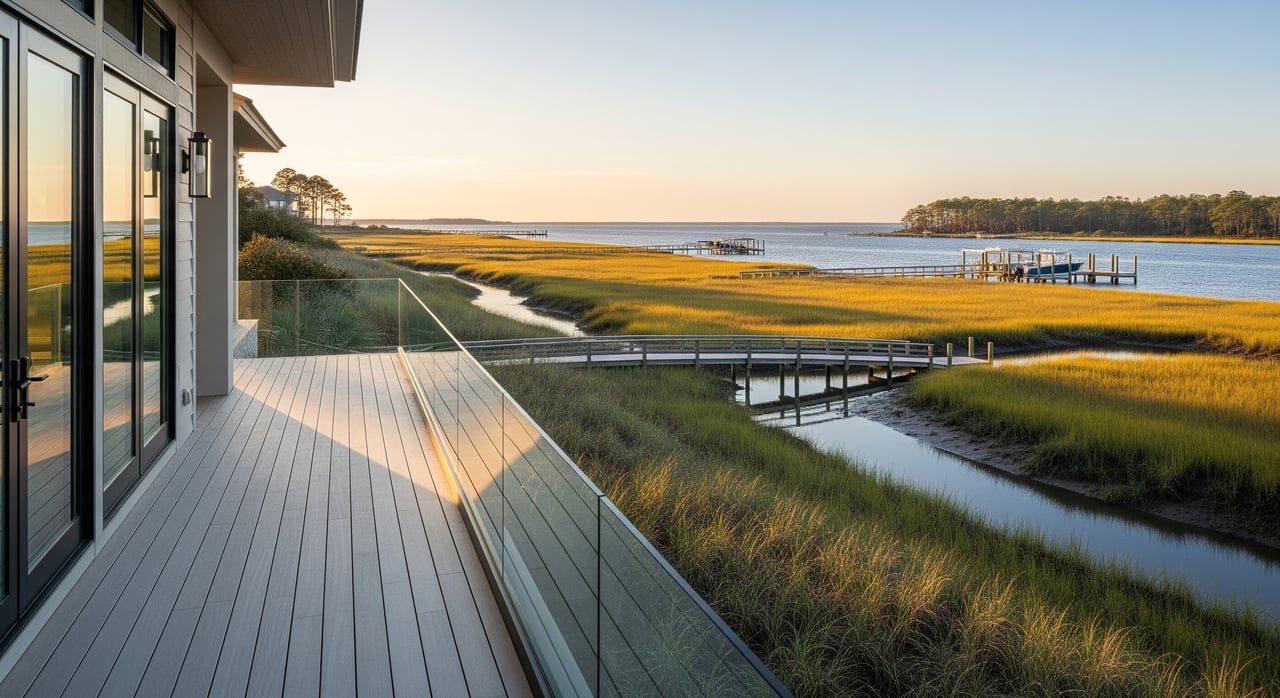
What is that sweeping marsh panorama or open ICW horizon really worth on Figure Eight Island? If you are buying or selling, the answer can feel complicated. You want a fair, well-supported number that reflects your view, flood risk, and any water access. In this guide, you will learn how appraisers approach view value on Figure Eight, what documents matter, and how to position your property for the strongest outcome. Let’s dive in.
What appraisers evaluate on Figure Eight
Sales comparison leads
For most single-family homes on Figure Eight Island, appraisers rely on the sales comparison approach. They analyze recent sales with similar views and features, then apply market-supported adjustments. If a property is operated as a rental, an income lens may also be used, but sales comparison remains primary.
How views are defined
Appraisers classify views by type and quality. They note orientation, extent of the view, permanence, and obstructions. They also separate “view-only” from “waterfront” or “water-access,” because direct navigable access typically commands a different premium than a view alone.
Adjustments and data sources
When exact matches are scarce, appraisers derive adjustments from paired sales, market interviews, and local agent input. They disclose data limits when needed. If the home has rental history, they may look at rate and occupancy differences between similar properties with different views.
Marsh view vs ICW view: value drivers
Visual quality and permanence
Open ICW views often deliver broader sightlines and visible boating activity, which many buyers prize. Marsh views appeal for privacy, wildlife, and a quieter setting. Appraisers also consider permanence, since marsh vegetation can grow seasonally and view corridors can shift with accretion or erosion.
Access and utility
Direct ICW access, like a private dock or bulkhead, adds utility that many buyers pay a premium for. Marsh-front properties often lack deep-water access, especially when wetlands lie between the lot and the channel. If permitting a dock is unlikely, the home is valued as a view-only property.
Flood, elevation, and insurance
FEMA flood zones and base flood elevations affect both insurance costs and marketability. Elevation certificates help clarify risk and can strengthen value if they show favorable elevation. While marshes can buffer wave energy, they do not eliminate flood or storm surge risk.
Encumbrances and easements
Public trust marshlands or recorded easements can limit shoreline improvements and reduce utility. Conservation protections can help preserve view corridors but may restrict what you can build. Appraisers review deeds, surveys, and permit records to understand the constraints.
Market preferences and timing
Buyer preferences vary. Some prioritize marsh serenity, while others focus on open-water vistas and boating. Appraisers look at local marketing time, buyer pool, and sale-to-list ratios to gauge the premium for each view type.
Documents to prepare for the appraisal
Bring organized documents that prove view quality, access, and risk profile. Prioritize:
- Recent comparable sales you believe reflect similar view and access.
- Site survey and legal description, including shoreline configuration.
- Elevation Certificate and any flood mitigation documentation.
- CAMA permits or approvals for docks, bulkheads, or living shorelines.
- HOA rules, covenants, deed restrictions, and easements.
- Photos and video from multiple angles that show the view and any obstructions.
- Rental income history, leases, and occupancy (if applicable).
- Prior appraisals, recent surveys, and maintenance records for structures and docks.
Steps to support your value
- Curate comparables with matching view tiers. Highlight sales with similar ICW access or similar marsh-view characteristics.
- Provide elevation and flood information upfront. This helps the appraiser assess insurance exposure and lender requirements.
- Document shoreline improvements and permits. Show engineering, approvals, and maintenance for any dock, bulkhead, or living shoreline.
- Disclose limitations early. If there are easements or conservation restrictions, transparency reduces surprises and supports credibility.
Regulatory and risk factors
North Carolina’s Coastal Area Management Act governs most shoreline work and can limit docks or bulkheads. Living shorelines are commonly encouraged and may affect future access or stabilization options. Appraisers also consider long-term coastal hazards like sea-level rise and storm surge, as these influence buyer perceptions and lender risk.
Buyer checklist: comparing two listings
When you evaluate marsh vs ICW options, look at:
- View characteristics: open-water horizon, partial view, or seasonal vegetation.
- Access: direct dock, deeded slip, community access, or view-only.
- Permits: existing approvals or realistic path to permits where allowed.
- Flood profile: zone, base flood elevation, and elevation certificate details.
- Permanence: likelihood of vegetation growth or shoreline change affecting the view.
- Surroundings: any nearby conditions that could affect enjoyment.
Investor lens: when income matters
If a property operates as a vacation rental, income differences tied to view or access can support value. Appraisers may consider how view tiers affect rental rates and occupancy, along with seasonality. Documented rental history and expenses help make the case.
Selecting the right appraiser
Use a state-certified appraiser with recent coastal experience in New Hanover County. Local familiarity with Figure Eight’s limited inventory, permitting norms, and flood maps can improve the quality of comparable selection and adjustments. If your lender orders through an AMC, you can often provide names of qualified local appraisers for consideration.
Final thoughts
On Figure Eight Island, view is more than a pretty backdrop. It is a specific, measurable market attribute that depends on access, permanence, flood profile, and regulatory realities. When you prepare the right documents and align expectations with the market, you give your appraiser the tools to support your value clearly. If you are preparing to buy or sell, connect with The Chris Luther Real Estate Team for local guidance, premium marketing, and a plan tailored to your waterfront or marsh-view home. Request Your Free Coastal Home Valuation.
FAQs
How do appraisers value water views on Figure Eight?
- They use the sales comparison approach, selecting comparable sales with similar view and access, then apply market-supported adjustments and disclose any data limits.
Is a marsh view worth less than ICW frontage?
- Often, yes for buyers seeking boating and broad open-water vistas, while marsh views can command strong premiums with buyers who prefer privacy and nature.
Can a marsh-front owner add a dock on Figure Eight?
- It depends on permits and regulations; CAMA and other authorities govern wetlands and shoreline work, and approvals may be limited or not feasible in some locations.
Do marshes reduce flood risk for homes?
- Marshes can buffer wave energy but do not remove flood or storm surge risk; FEMA flood zones and elevation remain key for insurance and lending.
What paperwork speeds up a waterfront appraisal?
- Provide elevation certificates, surveys, shoreline permits, comparable sales with similar views, HOA documents, and rental records if applicable.
When do appraisers use income analysis for views?
- When the property operates as a rental, they may compare rates and occupancy for similar homes with different views to support value adjustments.