Thinking about letting a Carolina Beach condo work while you play? For many buyers, a condo here doubles as a personal getaway and a potential income stream. The decision is not just about a pretty view. It is about demand, costs, rules, and risk on a coastal barrier island. In this guide, you will learn how the short-term rental picture looks in Carolina Beach, what numbers to run, and the key steps to take before you buy. Let’s dive in.
Why Carolina Beach draws renters
Carolina Beach benefits from strong leisure travel. Visitors come for the beach, the classic boardwalk, and nearby natural attractions like Carolina Beach State Park. Proximity to Wilmington adds restaurants, events, and airport access that broaden appeal.
Demand is highly seasonal. Expect a summer peak from Memorial Day through Labor Day, busy spring and fall weekends tied to events and holidays, and a slower winter with lower weekday occupancy. Average daily rates and bookings usually move with this pattern.
Most guests drive from regional hubs such as Charlotte and Raleigh-Durham, along with travelers from across the Carolinas and the Southeast. You compete with other condos, single-family vacation homes, and area hotels. Professionally managed listings often set the bar for photos, amenities, and reviews.
What condo types tend to perform best
Right-sized layouts help. Two to three bedrooms appeal to families and small groups. One-bedroom units attract couples and solo travelers but can earn less per stay.
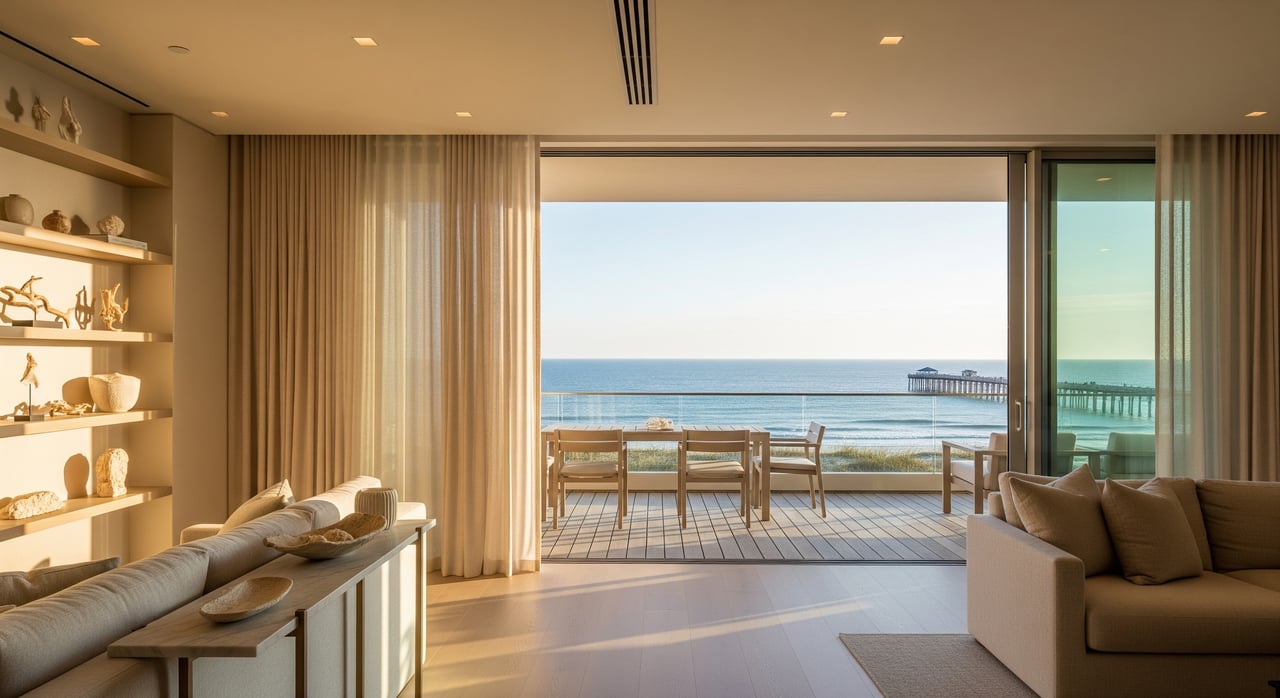
Location sells. Units with ocean views or direct beach access can command higher rates and occupancy. A balcony with a view, elevator access, and onsite parking often boost booking conversions.
Amenities matter. Guests prioritize in-unit laundry, updated kitchens and baths, reliable Wi‑Fi, and an easy check-in. HOA communities with pools or private beach access stand out but may carry higher dues and stricter usage rules.
Run the numbers with a simple pro forma
Before you fall in love with a view, pressure-test the income and expenses. Core metrics include:
- ADR: your average nightly rate when occupied.
- Occupancy rate: percent of nights booked each year.
- Annual gross rental income: ADR × 365 × occupancy.
- Effective Gross Income: gross rental income minus platform or booking fees, if not passed to guests.
- Net Operating Income (NOI): effective income minus all operating expenses, excluding the mortgage.
- Cap rate: NOI divided by purchase price.
- Cash-on-cash return: (NOI minus annual debt service) divided by your cash invested.
- Break-even occupancy: the occupancy needed to cover all expenses plus debt.
Follow this framework:
Estimate income. Start with realistic ADR and occupancy based on comparable condos and seasonality. Multiply ADR by booked nights to get gross rental income.
Deduct booking costs. Subtract platform fees or commissions to find your effective gross revenue.
Deduct operating expenses. Include HOA dues, management fees, cleanings, utilities, insurance, taxes, routine maintenance, and a reserve for replacements.
Calculate NOI. Income after those expenses becomes your NOI.
Add financing. Subtract annual mortgage payments to find pre-tax cash flow. Divide by your cash invested to gauge cash-on-cash return.
Stress test. Lower occupancy by 10 to 30 percent and ADR by 5 to 15 percent. See if the investment still works. Also model a storm year with several weeks of vacancy for repairs or travel disruptions.
Coastal costs you must budget for
Beach condos can carry higher ongoing costs than inland properties. Plan for:
- HOA dues and assessments. Waterfront buildings often have higher dues and occasional special assessments. Review reserves and upcoming projects.
- Property management. Full-service managers commonly charge around 20 to 35 percent of rental revenue. Self-managing can improve margins but demands time and 24/7 responsiveness.
- Cleaning and turnover. Per-stay cleanings are often guest-paid, but owners still manage scheduling and quality, and should budget for deep cleans.
- Maintenance and reserves. Salt air, HVAC loads, and high guest turnover increase wear. Set aside funds for repairs and replacements.
- Utilities. Electricity, water, cable, Wi‑Fi, trash, and sewer may be owner-paid.
- Insurance. You will likely need a unit policy, a short-term rental endorsement or commercial policy, flood insurance if in a flood zone, and wind or hurricane coverage.
- Lodging and sales taxes. Short-term rentals are typically subject to local and state occupancy or transient taxes. Register and remit as required.
- Administrative costs. Business licensing, accounting, and legal support are part of operations.
Financing and tax points to confirm
Lenders often treat a short-term rental as an investment property unless you meet specific owner-occupancy rules. Expect larger down payments and potentially higher rates than a second-home loan. Some banks use debt-service coverage from documented rental income, which can be harder to prove if the unit lacks history.
Ask about conventional, investment, or portfolio loans with local banks familiar with coastal assets. For taxes, rental income is taxable, while many operating costs and mortgage interest are typically deductible. Depreciation may apply. Consult a qualified CPA to align your plan with current rules.
Rules and permits you must confirm
Most beach towns regulate short-term rentals. In Carolina Beach and New Hanover County, confirm the following before you buy or list:
- Zoning and whether the condo or complex allows short-term rentals.
- Required town registration or a business license.
- Occupancy limits, minimum night stays, and parking standards.
- Safety rules such as smoke and carbon monoxide detectors, fire extinguishers, and any inspection requirements.
- A designated local contact for noise or disturbance calls and response timelines.
- Transient occupancy and sales taxes, plus how and when to file.
Rules can change. Check the Town of Carolina Beach and county guidance for current requirements and enforcement.
HOA fine print can make or break returns
HOAs govern how you can use the unit. Some communities ban short-term rentals outright. Others set minimum rental terms, cap the number of STR units, or require special registration and fees. Restrictions can vary within the same complex and may grandfather certain units.
Request and read the CC&Rs, bylaws, rules, recent meeting minutes, reserve studies, and assessment history. Focus on rental language, guest rules, parking, and any fines for violations. Ask for building plans for upcoming projects that might affect availability or dues.
Insurance, flood, and hurricane planning
Understand the layers of coverage. The condo’s master policy typically covers the building exterior and common areas, but you will need an HO6 policy for interior finishes and contents. Most personal unit policies do not fully cover short-term rental activity. Ask for a specific short-term rental endorsement or a landlord or commercial policy that covers paid guests and higher turnover.
Much of Carolina Beach lies in FEMA-designated flood zones. If your unit is in an AE or VE zone, lenders normally require flood insurance through the National Flood Insurance Program or a private carrier. NFIP policies usually carry a 30-day waiting period, so plan ahead.
Coastal policies often separate wind and hurricane coverage and use percentage deductibles based on insured value. Confirm the deductible structure and any exclusions. Because more guests increase liability risk, many owners consider extra liability coverage.
Operating for great reviews and fewer headaches
Pick a management approach that fits your time and goals.
- Self-manage: lower fees and more control, but you handle pricing, messaging, cleaners, and emergencies.
- Full-service manager: typically 20 to 35 percent of revenue for pricing, bookings, guest support, cleaning, and maintenance coordination.
- Hybrid: you manage bookings and guest messaging while outsourcing cleaning and repairs.
Use dynamic pricing and adjust minimum stays by season and event calendars. Set clear house rules on occupancy, noise, parking, pets, and smoking. A local 24/7 contact helps resolve issues quickly and keep HOA relations positive. Professional photography, honest descriptions, and a reliable amenity set build reviews and repeat bookings.
Key risks to keep in view
- Hurricanes and storm surge. Carolina Beach is low-lying and exposed to coastal weather. Storms can cause damage, vacancy, and higher insurance costs.
- Erosion and long-term climate factors. Shoreline changes can affect value, access, and insurability. Track local nourishment or dune projects.
- Seasonality and market concentration. Heavy summer dependence creates variable cash flow. Relying on a single booking platform increases exposure to policy changes.
- Regulatory change. Many coastal towns have updated STR rules in recent years. New caps, fees, or enforcement can shift the revenue outlook.
A step-by-step due diligence checklist
Use this checklist to move from idea to decision with confidence.
Before you buy:
- Obtain HOA CC&Rs, bylaws, rules, rental policies, recent minutes, reserve study, and assessment history.
- Verify Town of Carolina Beach STR rules and licensing for the specific address and zoning.
- Confirm New Hanover County and State of North Carolina tax registration and filing steps for lodging and sales taxes.
- Pull FEMA flood maps and confirm the exact flood zone for the building and unit elevation.
- Get insurance quotes for HO6, flood, wind or hurricane, and a short-term rental or landlord policy.
- Request historical rental performance if the unit has been a vacation rental: revenue, expenses, calendars, and listing reviews.
- Gather comps for ADR and occupancy from trusted STR analytics and local property managers.
- Review HOA financials for reserve strength and upcoming capital projects.
Operational readiness:
- Line up a local emergency contact or property manager.
- Draft house rules, a guest manual, and storm or evacuation information.
- Build a furnishings and supplies checklist to speed turnovers.
- Confirm how platform fees, security deposits, and taxes will be handled.
Financial testing:
- Model best, base, and worst-case ADR and occupancy scenarios.
- Add shock tests for insurance hikes, HOA increases, or new local fees.
- Include a storm-year scenario with multiple weeks of lost bookings.
Local resources:
- Town of Carolina Beach Planning or Code Enforcement for regulations.
- New Hanover County Tax Office for lodging tax registration and guidance.
- North Carolina Department of Revenue for state-level tax information.
- FEMA Flood Map Service Center for flood risk verification.
- Coastal insurance brokers experienced with NFIP and private flood carriers.
- Local property managers and agents for comps and operational insight.
So, is a Carolina Beach condo a smart STR?
It can be, if you match the right unit to the right plan and price the true costs of a coastal setting. Strong summer demand and premium pricing for ocean views support the case. At the same time, seasonality, HOA rules, insurance, and storm risk require careful underwriting and a solid operating strategy.
If your numbers still work after stress testing and your HOA and town approvals are clear, a Carolina Beach condo can serve both lifestyle and income goals. If not, keep looking or adjust the plan. The right fit balances view, location, building rules, and a conservative financial model.
Ready to evaluate specific buildings, review HOA documents, and run a tailored pro forma for Wilmington and Carolina Beach? Connect with The Chris Luther Real Estate Team for local guidance and a clear plan from search to closing.
FAQs
What is the peak rental season in Carolina Beach?
- Summer is the peak season from Memorial Day to Labor Day, with stronger spring and fall weekends during events and holidays, and a slower winter period.
Do most Carolina Beach HOAs allow short-term rentals?
- Policies vary widely by complex. Some allow short-term rentals, others restrict them with minimum stays or caps, and some prohibit them. Always verify the HOA documents before you buy.
What insurance do I need for a beach condo STR?
- You typically need an HO6 policy, a short-term rental or landlord endorsement, flood insurance if in a designated zone, and wind or hurricane coverage; confirm deductibles and exclusions.
How much do property managers charge in Carolina Beach?
- Full-service management commonly runs about 20 to 35 percent of rental revenue; self-managing can reduce costs but increases time and responsibility.
Are there extra taxes on short-term rentals in New Hanover County?
- Short-term rentals are usually subject to local and state lodging or occupancy taxes, plus applicable sales tax. Register and remit per county and state procedures.
How do hurricanes affect my rental income and planning?
- Storms can create temporary vacancies, increase insurance costs, and require repairs. Include a storm-year scenario in your pro forma and keep emergency procedures ready for guests.