Trying to choose between new construction in Leland and Ogden? You are not alone. Both areas sit close to Wilmington and both offer attractive options for different budgets and lifestyles. In this guide, you will learn how the two areas compare on lots and utilities, amenities, commute, flood and insurance considerations, build timelines, and incentives so you can move forward with confidence. Let’s dive in.
Leland vs. Ogden at a glance
If you want more space and master-planned amenities, you will often find them in Leland. If you want a shorter commute to Wilmington employment centers and hospitals, Ogden tends to be closer. Both have active new-construction pipelines, but the land pattern and community style differ. Your best fit comes down to the tradeoffs that matter most to you.
Location and commute context
Leland proximity
Leland sits in Brunswick County just across the river from Wilmington. You will find many larger subdivisions near US-17 with suburban convenience. Highway access helps, though you should test-drive peak-hour routes from the exact neighborhood you are considering.
Ogden proximity
Ogden is in New Hanover County and is generally considered part of greater Wilmington. Many developments are closer to major roads and job centers. If commute time is your top priority, you may prefer Ogden’s location.
Land, lots, and utilities
Municipal water and sewer vs. septic
Much of the rapid growth in Leland connects to municipal water and sewer, though some parcels still require septic. Ogden is more likely to tie into regional or municipal systems due to its proximity to Wilmington. Always verify water and sewer availability before you assume a lot is buildable, and budget for soil studies and septic permitting if needed.
Floodplain, elevation, and foundations
Both areas are in the coastal plain with tidal creeks and wetlands nearby. If a lot falls within a FEMA flood zone, you may need an elevated foundation and flood insurance, which can add cost. Check flood maps for any lot, confirm base flood elevations, and ask for any available elevation certificates before you write an offer.
Lot size and setbacks
New subdivisions in Leland often advertise larger lots in master-planned settings. Ogden includes a mix of suburban subdivisions and smaller-lot or infill projects closer to Wilmington. Setbacks and landscaping requirements vary by jurisdiction, so learn the community covenants and architectural review guidelines up front.
Product mix and community style
What you will see in Leland
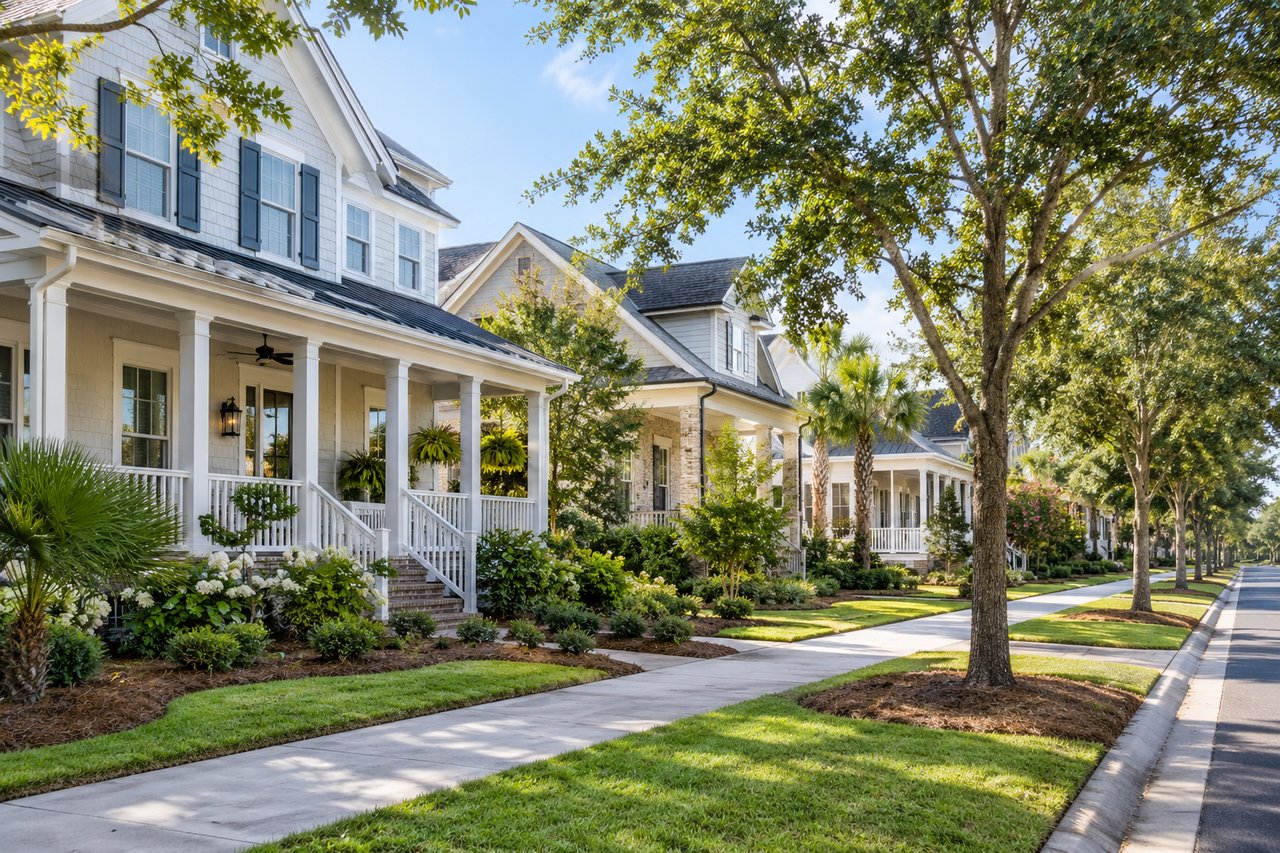
Leland’s growth has produced master-planned communities with clubhouses, pools, trails, and in some cases golf. Single-family homes dominate, with some townhome options. These neighborhoods often appeal to buyers who want amenities and a lower-density feel.
What you will see in Ogden
Ogden features a blend of traditional subdivisions and smaller-lot neighborhoods. You will also find attached product types in pockets where land is tighter. Many communities emphasize proximity to Wilmington services and daily conveniences rather than large on-site amenity centers.
Builders, timelines, and costs
Active builders and home types
You will encounter national and regional production builders alongside local custom builders in both areas. Single-family detached homes are the most common, with townhomes where land supply is tighter. If you are considering a custom build, confirm any tree buffers, wetlands, and utility constraints early.
Typical build timelines
For a production home on a prepared lot, many buyers see 3 to 6 months from contract to delivery. Semi-custom or custom projects on raw lots can take 6 to 12 months or more. Supply chains, weather, and permitting reviews can extend timelines, so build in a cushion.
Soft costs and site work
Plan for permit fees, water and sewer tap fees, and potential impact fees set by the county or town. Foundation type, elevation requirements, and utility extensions can drive costs. Lot premiums also apply for special locations like water views or cul-de-sacs.
Materials and labor
Material pricing has seen periods of volatility, and labor availability can influence scheduling and bids. Ask your builder for contingency language and how they handle substitutions or backorders.
Financing and builder incentives
Incentives to watch
Builders often offer closing cost help, rate buydowns, upgrades, or lot promotions. Incentives vary with market conditions and by community. Ask what is available today and what it requires in terms of lender choice or closing timelines.
Builder financing vs. your lender
Builder-affiliated lenders may bundle incentives, while third-party lenders might offer different long-term value. Compare the full picture, including rate locks, buydowns, and total cash to close. Confirm how appraisal timing and completion dates are managed.
Appraisals and comps
Newer subdivisions sometimes lack deep comparable sales. Appraisers may rely on pending or recently closed new builds in the same community. Work with your agent to understand appraisal assumptions and plan for potential gaps.
Warranties, inspections, and quality
Code standards you can expect
All new homes in both areas must meet the North Carolina Residential Code and any local amendments. Energy efficiency requirements for insulation, HVAC, and windows can reduce operating costs. Ask builders about any voluntary energy programs they use.
Inspections during the build
Municipal inspections occur at key stages. Many buyers also hire private inspectors for pre-drywall and final walkthroughs. Confirm your right to independent inspections in the purchase agreement.
Warranty coverage
Most builders provide a limited warranty that commonly includes one year on workmanship, two years on systems, and ten years on structural items. Get the warranty in writing and note claim procedures, response times, and items excluded as “owner maintenance.”
Resale and long-term value
Amenity impact and future plans
Master-planned amenities can support resale appeal, especially if facilities are well maintained. Ask for community plans, phasing, and any future commercial or road improvements that could change traffic or views.
Energy and operating costs
Efficient construction can support lower monthly bills and buyer appeal at resale. Keep records of utility bills, HVAC specs, and energy features for future buyers.
HOAs and restrictions
Review covenants, architectural guidelines, and fee schedules. Understand rules for short-term rentals, parking, fencing, and exterior changes. HOA reserves and planned assessments matter for both ownership costs and resale.
How to compare two homes side by side
Use this quick checklist when you narrow your choices:
- Property basics: confirm jurisdiction, tax parcel ID, and whether the parcel is inside town limits or in unincorporated county.
- Flood and soils: pull FEMA flood zone details, verify base flood elevation, and obtain soil evaluations if septic is required.
- Utilities: confirm municipal water and sewer availability, tap fees, and any capacity constraints.
- Site conditions: note topography, buffers, wetlands, and tree restrictions that affect buildable area.
- Builder and contract: list standard features vs. upgrades, warranty coverage, inspection rights, and completion timeline.
- Financials: compare base price, expected price per square foot for similar inventory, property tax estimates, and HOA fees.
- Appraisal and comps: review recent resales and builder closings in the same community, including time on market.
- Final approvals: check that site improvements, as-built plans, inspections, and certificate of occupancy will be delivered at closing.
Which area fits your lifestyle?
Choose Leland if you want suburban space and master-planned community amenities. You will likely see larger lots and a variety of neighborhood features that appeal to both families and retirees. Flood and elevation requirements still apply on a lot-by-lot basis, so verify any property before you buy.
Choose Ogden if you want proximity to Wilmington employment centers, hospitals, and urban amenities. You may see more infill or smaller-lot options and attached homes in select pockets. Many buyers appreciate the shorter drives to work, retail, and dining.
How The Chris Luther Real Estate Team helps
You get a team-based approach that understands both Brunswick and New Hanover County markets. We help you compare communities, verify flood and utility details, align builder incentives with the right lender, and keep your timeline on track. For sellers, we pair traditional marketing with optional auction strategies for unique or time-sensitive assets.
If you are weighing Leland versus Ogden new construction, we would love to be your guide. Connect with buyer specialists who live and work in the Wilmington and Cape Fear area and who know how to navigate master-planned neighborhoods and custom builds alike. Ready to take the next step? Reach out to The Chris Luther Real Estate Team.
FAQs
Is new construction more expensive than resale in Leland or Ogden?
- New homes often carry premiums for modern layouts, warranties, and energy performance, and final cost depends on lot prep, elevation, utilities, and upgrades compared with nearby resale options.
Which area is better for commuting to Wilmington job centers?
- Ogden generally sits closer to Wilmington employment and hospitals, while Leland offers suburban access via US-17, so test-drive your specific route during rush hours.
How big is the flood and insurance concern for coastal plain lots?
- Both areas have flood-prone zones, so check FEMA flood maps and base flood elevations for any lot, and plan for elevated foundations and flood insurance where required.
How long does it take to build a new home in these areas?
- Many production homes on prepped lots deliver in about 3 to 6 months, while semi-custom and custom projects commonly run 6 to 12 months or longer depending on permits, weather, and materials.
What warranties and inspections should I expect with a new build?
- Expect municipal inspections plus optional private inspections, and confirm builder warranty terms that typically include 1-year workmanship, 2-year systems, and 10-year structural coverage.
Do builders in Leland and Ogden offer incentives right now?
- Incentives such as closing cost help, upgrades, and rate buydowns are common and depend on market conditions, the specific community, and whether you use a preferred lender.