Building new in Porters Neck can feel exciting and a little overwhelming. You want the right lot, a trustworthy builder, clear contract terms, and a smooth path to closing. In this guide, you’ll learn how to compare communities and builders, navigate North Carolina’s contracts, plan inspections, and confirm utilities and flood risk so you can buy with confidence. Let’s dive in.
Why Porters Neck new builds
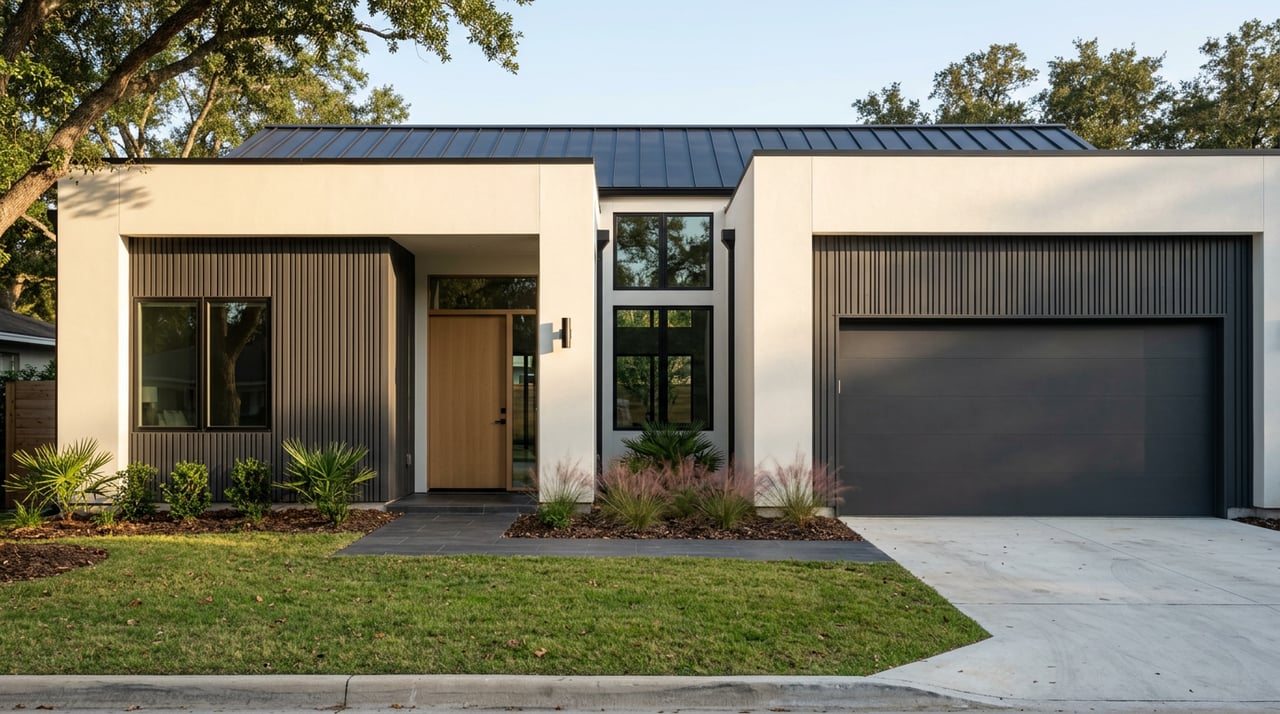
Porters Neck covers several communities north of Wilmington, including established golf and country club areas, gated enclaves, and newer single-family and townhome options. You’ll find semi-custom homes and smaller production phases, often by respected local builders. Amenities and architectural styles differ by neighborhood, so focus on the fit that matches how you live. If club access matters, confirm membership details in the specific community before you commit.
Step 1: Choose builder and community
Start by confirming which builder controls the lot or phase you like and ask for recent buyer references. Drive by two or three completed homes to see workmanship in the field. Request the written warranty booklet and a sample contract so you understand what is standard, what is an upgrade, and how change orders work. Ask directly who backs the structural warranty, if coverage transfers, and the claims timeline.
Step 2: Understand NC contracts
North Carolina uses standard forms that include a Due Diligence Period and a Due Diligence Fee, along with earnest money and new-construction addenda. The due diligence timeline and fees are set in the contract, so you know how long you have to complete inspections and confirm financing. Review how the construction schedule, allowances, and delay remedies are written in the addenda. For context on due diligence mechanics, see the state’s standard form guidance in the NC Offer to Purchase (Form 2-T).
Step 3: Budget smart with incentives
Builders often offer closing cost credits or rate buydowns if you use a preferred lender or title company. Federal rules require disclosure of affiliated business relationships, but you should still compare. Get at least two independent Loan Estimates and verify that incentives are not offset by higher rates or fees. For a practical overview of how incentives and timing can work, review this consumer primer on builder incentives and closing considerations.
Step 4: HOA and country club
In Porters Neck, the HOA that manages covenants is separate from the private country club. Club initiation and dues are set by the club, while HOA assessments are set by the association, and both can change. Request the full HOA package and ask the club for the current membership packet if access is important to you. For an overview of HOA governance, see the Porters Neck HOA site.
HOA and club documents to request
- CC&Rs, bylaws, rules, current budget, reserve study, and any special assessments
- Architectural review rules and rental policies
- HOA resale certificate with transfer fees and any pending litigation
- Club membership brochure with initiation policy, dues, any waitlist, and food and beverage minimums
Step 5: Permits and inspections
New Hanover County issues permits and performs code inspections for Porters Neck. Ask the builder for your permit number and track inspection milestones through the county resources. Remember that county inspections check code compliance, not overall quality, so plan for your own independent inspections too. Start with the city and county overview on building permits and inspections.
Hire a licensed NC inspector
North Carolina licenses home inspectors and sets standards of practice. Hire a licensed inspector for staged inspections to protect your investment. The state board explains licensing and buyer rights on the NC Home Inspector Licensure Board page, and it hosts the ASHI pre-drywall standards that guide framing-stage inspections.
Inspection schedule and checklist
- Pre-foundation/slab: site drainage plan, footings, termite pretreatment if applicable
- Pre-drywall (critical): framing and connections, roof underlayment, window and door flashing, rough-in plumbing and electrical, HVAC duct runs, attic ventilation, fireblocking
- Final walkthrough: operate every system and appliance, test GFCI/AFCI, verify caulking and trim, check exterior grading and downspouts, roof penetrations, garage door safety and carbon monoxide presence
- 11-month check: settlement and sealants, grading and drainage, plumbing leaks, HVAC performance, roof and envelope issues; file claims before the one-year workmanship coverage ends
Step 6: Lot, utilities, and flood risk
Confirm water and sewer service early since it affects financing and insurance. Many Porters Neck areas are served by the Cape Fear Public Utility Authority’s northern service area, but some parcels may differ. Ask the builder or their engineer to verify serviceability in writing and provide meter setup details before closing. CFPUA publishes service information and water reports, including the Northern Regional data.
How to check flood risk
- Look up the parcel on the FEMA Map Service Center to see if it lies in an A, AE, or VE zone.
- Review the county’s advisory mapping for northern watersheds, including Pages Creek areas, on the New Hanover County Flood Study page.
- Ask the builder for any elevation certificate and the planned finished-floor elevation for the home.
- If the lot lies in an AE or VE zone, confirm required elevation, potential flood insurance costs, and any construction impacts.
What to ask before you sign
Use this quick vetting checklist to protect your interests.
- Builder identity and references: name, corporate entity, and three recent buyer references
- Warranty: full booklet, who backs the structural warranty, whether it is insured and transferable, claims process, and response times; see typical coverage explained in this new-home warranty overview
- Utilities: written confirmation of municipal water and sewer service if applicable
- Permits and schedule: permit numbers, expected certificate of occupancy date, and county inspection logs
- Contracts: sample contract and new-construction addenda; have your agent or attorney review due diligence, deposits, timelines, delays, and remedies, with reference to NC standard forms
Design and selections script
- “Please show me the allowance schedule and what is standard versus an upgrade. How are overages handled? Are change orders priced in writing, and what is the selection deadline?”
Your closing week checklist
- A signed, date-stamped punch list that both parties acknowledge, with repair deadlines
- Evidence of final county inspections and a certificate of occupancy if required; confirm meter and utility transfer instructions with the service provider listed in your contract
- The builder’s warranty booklet and the contact for warranty claims, including any third-party administrator
- HOA resale certificate and any transfer fees, plus the current HOA budget and reserve study
Keep your warranty leverage
Many builders use a “1-2-10” style warranty, but terms vary, so read the booklet and keep all correspondence in writing. North Carolina also recognizes implied warranties of workmanlike construction for new homes, which adds a layer of protection. Schedule an 11-month inspection to catch items before workmanship coverage expires. Keep photos, reports, and emails organized so any claims are clear and timely.
Partner with a local buyer specialist
Buying new construction in Porters Neck is about more than picking finishes. It is about verifying the right documents, lining up the right inspections, and making smart choices at each step. If you want a local team that knows the builders, permitting process, and neighborhood nuances, connect with The Chris Luther Real Estate Team. Our buyer specialists will help you compare communities, structure a strong offer, and navigate selections and inspections with confidence.
FAQs
What types of new homes are common in Porters Neck?
- You will mostly find semi-custom single-family homes in smaller phases and some townhome options, often built by regional builders with community-specific design standards.
Is country club membership required in Porters Neck Plantation?
- In many areas club membership is optional and separate from the HOA; confirm requirements and current dues with the club and request the HOA package for covenants and assessments.
How do North Carolina due diligence fees work on new builds?
- The Due Diligence Fee is paid to the seller and is often nonrefundable, while earnest money is held in escrow; the due diligence period sets your window for inspections per NC standard forms.
Do I need inspections if the county inspects my home?
- Yes. County inspections verify code compliance, but a licensed NC home inspector provides a buyer-focused quality check with staged reports, especially at pre-drywall and before closing.
How can I confirm a Porters Neck lot has water and sewer service?
- Ask your builder to confirm serviceability in writing and consult CFPUA resources; some parcels may differ, which can affect financing, insurance, and closing logistics.
How do I check flood risk for a specific lot?
- Use the FEMA Map Service Center and the county’s flood study resources, then request any elevation certificate and the planned finished-floor elevation from the builder.