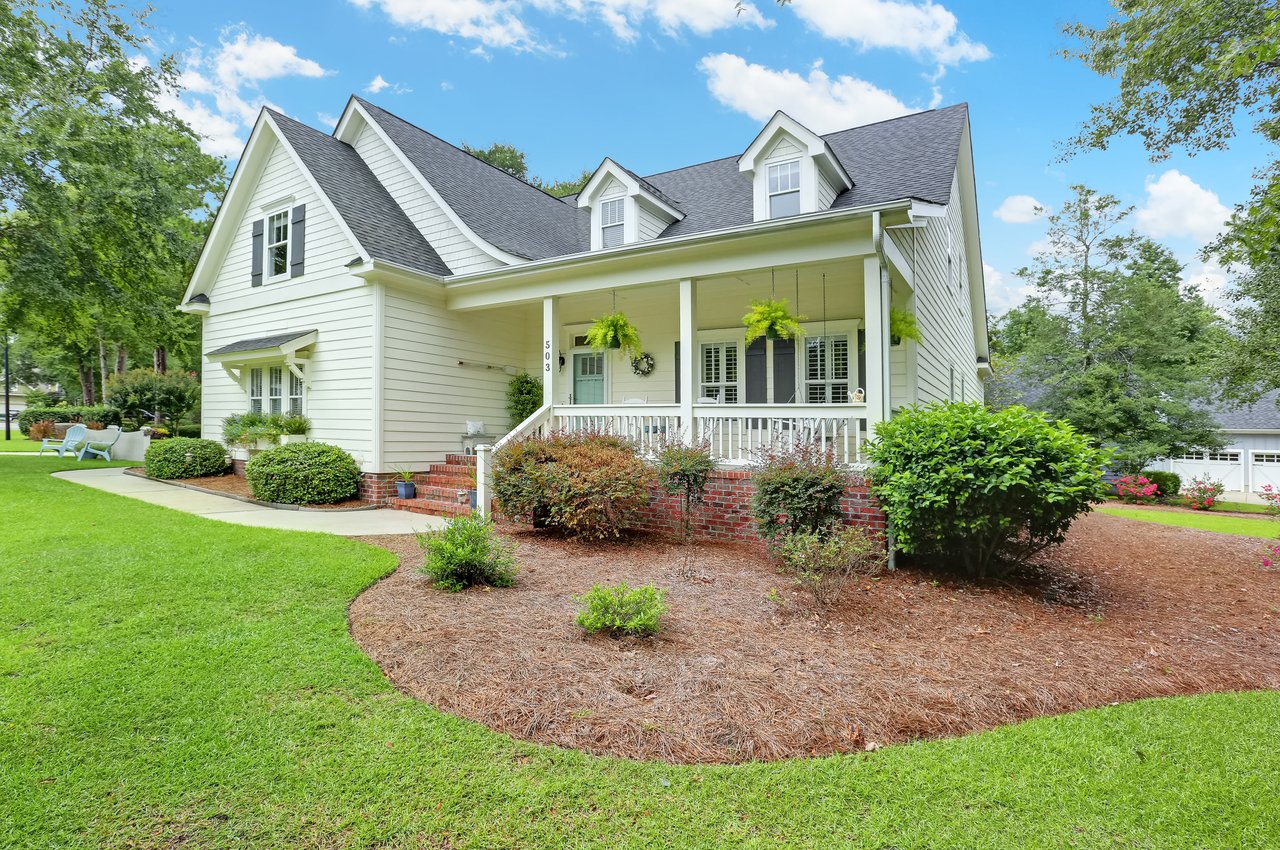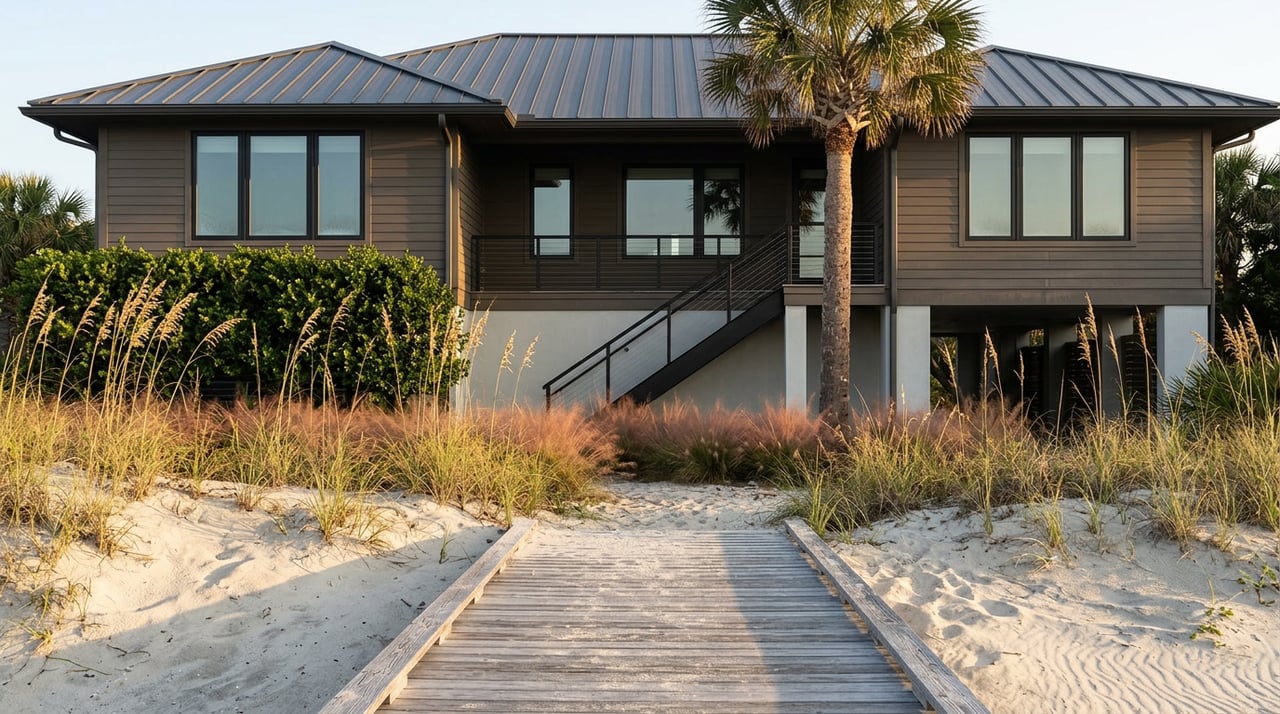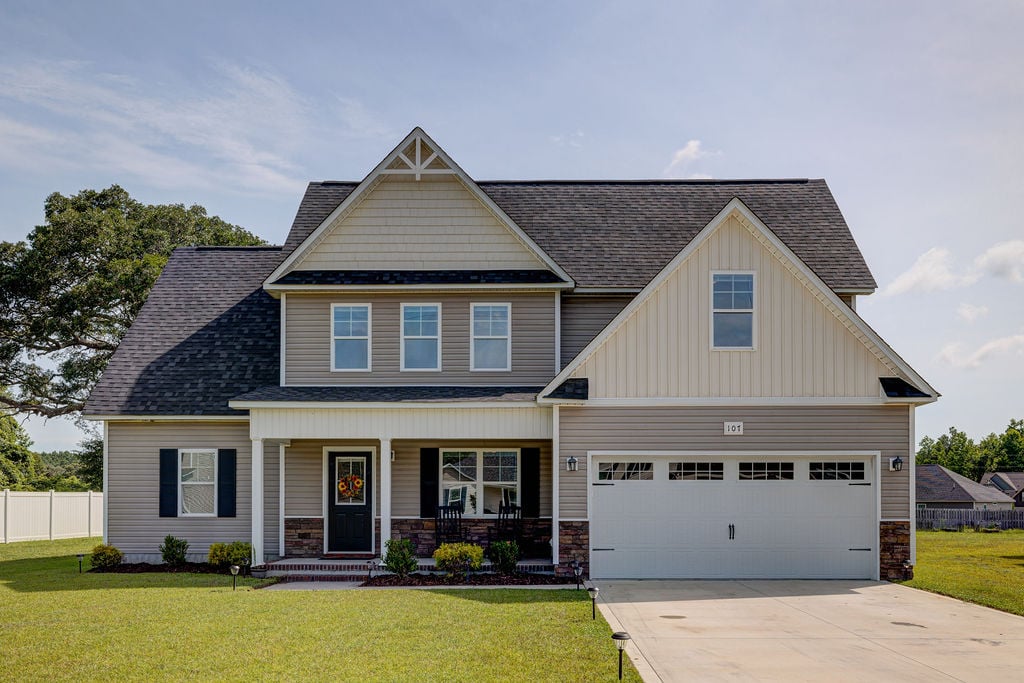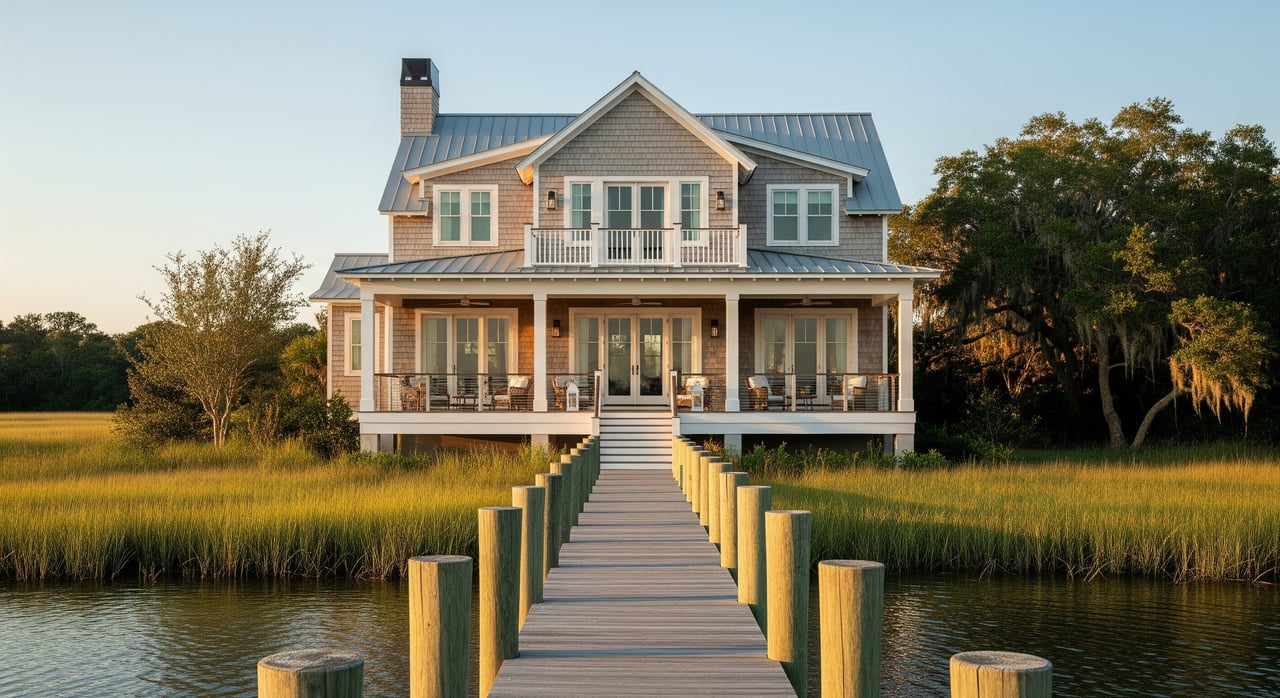
Dreaming of a Porters Neck getaway where you can unplug, boat, or golf on weekends? Financing a second home along Wilmington’s coast looks different from buying your primary residence. Coastal risks, HOA rules, and lender requirements can change your timeline, loan options, and true monthly cost. This guide breaks down the major loan types, what lenders expect, coastal insurance considerations, and a simple plan to move forward with confidence. Let’s dive in.
What qualifies as a second home
A second home is a property you occupy for personal use in addition to your primary residence. Lenders treat it differently from an investment property, which is primarily used for rental income. How you plan to use the home affects your loan options, down payment, reserves, and rate. Be clear with your lender about occupancy and any anticipated rental activity.
Loan options for Porters Neck buyers
Conventional loans
Conventional loans through Fannie Mae or Freddie Mac are common for second homes. You typically see minimum down payments near 10 percent, with 20 percent often yielding better pricing. Lenders often want credit scores of 620 or higher, debt-to-income ratios up to the mid‑40s percent, and 6 to 12 months of reserves. These loans expect the home to be primarily for your personal use rather than short‑term rental business activity.
Jumbo loans
If your target price exceeds conforming loan limits for New Hanover County, you may need a jumbo loan. Jumbo financing usually calls for larger down payments, higher credit scores, and more months of cash reserves. Many Porters Neck properties fit luxury or waterfront categories, so prepare for stricter underwriting. Ask about rate differences and reserve requirements early so you can structure your offer wisely.
Portfolio and nontraditional loans
Local banks, credit unions, and some mortgage banks offer portfolio loans they keep on their own books. These can help if you have unique income, higher debt‑to‑income ratios, or a non‑standard property. Terms vary widely, so it pays to compare options and documentation requirements. This route can be useful for condos or custom homes that fall outside standard guidelines.
Using equity from your primary home
You can tap a HELOC, home‑equity loan, or cash‑out refinance on your primary residence to fund a second‑home down payment. Lenders look at your combined loan‑to‑value and your overall debt load. Keep in mind that interest deductibility for home‑equity debt is limited to funds used to buy, build, or substantially improve the home securing the loan. Review the tax treatment with a professional.
Bridge and construction loans
A short‑term bridge loan can help you buy before you sell your current home. These loans cost more and require a clear repayment plan and solid reserves. If you plan to buy a lot and build, a construction‑to‑permanent loan can finance both phases, with specific milestones and inspections.
Planning to rent? Consider investment financing
If your use will be primarily rental rather than personal, lenders categorize the property as an investment. Expect higher down payments, higher rates, and stricter underwriting. Many lenders do not count projected short‑term rental income to qualify, and HOA or local rules may limit rentals. Clarify your plan upfront to choose the correct loan type.
Coastal factors that affect approval and cost
Flood zones and flood insurance
Porters Neck’s proximity to coastal waterways means flood risk can be a factor. If a property lies in a Special Flood Hazard Area on FEMA maps, lenders will require flood insurance. Premiums vary by elevation and construction features, so request an elevation certificate and quotes early. Insurance costs change your debt‑to‑income and overall affordability.
Windstorm and hurricane coverage
Coastal North Carolina experiences elevated wind and hurricane exposure. Carriers may require wind mitigation features and can set higher deductibles. Get sample homeowners, wind, and flood quotes before you write an offer. These policies can materially impact your monthly payment and lender approval.
Condo, HOA, and community rules
Many Porters Neck neighborhoods have HOAs that set rental rules, insurance requirements, and assessments. Some condo projects must meet specific criteria to be eligible for conventional financing. Review rental caps, short‑term rental rules, special assessments, and reserve studies during due diligence. Confirm whether the project is financeable with your chosen loan type.
Appraisals for waterfront and custom homes
Unique waterfront and custom properties can be challenging to value because comparable sales may be limited. Lenders may require specialty appraisers or added narrative support. Build time into your contract for appraisal review. Strong appraisal preparation helps avoid delays.
What lenders expect to see
Down payment and loan‑to‑value
Second‑home loans commonly require 10 to 20 percent down. Investment loans often start at 20 to 25 percent. Larger down payments can help offset coastal risk or appraisal complexity.
Credit score and DTI
For conventional loans, many lenders look for a 620+ score, with better pricing above 700. Debt‑to‑income ratios typically cap near the mid‑40s percent, though stronger files can see exceptions. Jumbo and portfolio programs often prefer higher scores and tighter ratios.
Cash reserves
Lenders frequently ask for 6 to 12 months of reserves for second homes, and sometimes more in luxury or coastal contexts. Reserves are funds available after closing to cover your mortgage, taxes, insurance, and HOA dues. Having ample liquidity is a key approval factor.
Documentation and occupancy
Be ready with W‑2s, pay stubs, or tax returns; bank statements for assets; and a clear statement of how you intend to use the home. If you plan any rental activity, disclose it and verify HOA and local rules. Transparency avoids last‑minute loan changes.
Taxes and rental considerations
Mortgage interest on qualified acquisition debt may be deductible within IRS limits, including for a second home. Home‑equity interest is generally deductible only when funds are used to buy, build, or substantially improve the securing property. Rental income is taxable, and treatment depends on how many days you rent versus personal use. Capital gains exclusions typically apply to a primary residence, while 1031 exchanges apply to investment property, not a personal second home. Always confirm details with a tax professional.
A step‑by‑step plan to get ready
- Define your use case: personal second home or primarily investment. Your answer drives loan type and underwriting.
- Get pre‑approved with lenders experienced in coastal second homes. Compare conventional, jumbo, and portfolio options side by side.
- Price the risk: request a preliminary flood determination, ask for an elevation certificate, and get homeowners, wind, and flood quotes.
- Confirm HOA and condo rules, including rental policies, insurance requirements, and any pending special assessments.
- Discuss liquidity: line up reserves and down payment sources, including possible HELOCs or a bridge loan if you must buy before you sell.
- Prepare for appraisal: choose a contract timeline that allows for specialty appraisal needs on waterfront or custom homes.
Porters Neck specifics to double‑check
- Flood maps and elevation for your target streets and communities.
- Windstorm coverage availability and deductibles for the property’s construction type and age.
- HOA policies on leasing, pet rules, short‑term rentals, and capital projects that could affect dues.
- Condo eligibility for your chosen loan program if you are buying in a multifamily community.
- New Hanover County property taxes and any stormwater or other assessments.
Common pitfalls to avoid
- Counting on short‑term rental income to qualify when your lender will not allow it.
- Assuming FHA, VA, or USDA will work for a vacation home. These programs are generally for primary residences.
- Skipping early insurance quotes for flood and wind, which can change your approval and cash flow.
- Underestimating reserve requirements for second homes, especially in luxury price points.
- Overlooking appraisal complexity for unique waterfront or custom builds.
Your advantage in Porters Neck
Buying a second home in a coastal market calls for clear planning, local insight, and a lender set that understands flood and wind exposure. You want a team that can help you compare options, pressure‑test your budget with real insurance numbers, and navigate HOA and condo requirements. With deep Wilmington and New Hanover County experience and a focus on luxury and second‑home transactions, we help you line up the right property and a financing path that fits your goals.
Ready to explore second‑home options in Porters Neck or across the Wilmington beaches? Reach out to the pros who blend local knowledge with premium marketing reach through Coldwell Banker Global Luxury and Sea Coast Advantage. Connect with The Chris Luther Real Estate Team to start your coastal plan.
FAQs
Can I use an FHA loan for a Porters Neck second home?
- FHA loans are generally restricted to primary residences, so conventional, jumbo, or portfolio loans are the typical routes for a Porters Neck second home.
Will short‑term rental income help me qualify for a second‑home mortgage?
- Many lenders do not allow projected short‑term rental income for qualifying a second‑home loan, and HOA or local rules may limit rentals, so verify early.
Do I need flood and wind insurance in Porters Neck?
- Lenders require flood insurance if the property lies in a Special Flood Hazard Area, and wind coverage is typically required in coastal North Carolina.
How much cash do I need for reserves on a second home?
- Lenders often want 6 to 12 months of reserves for second homes, with higher amounts possible for jumbo or coastal properties.
Can a HELOC on my primary home fund my down payment?
- Yes, many buyers use a HELOC or cash‑out refinance to fund a second‑home down payment, subject to combined loan‑to‑value limits and tax considerations.